Mdina & Rabat Malta: Where Time Stood Still
1st October 2026
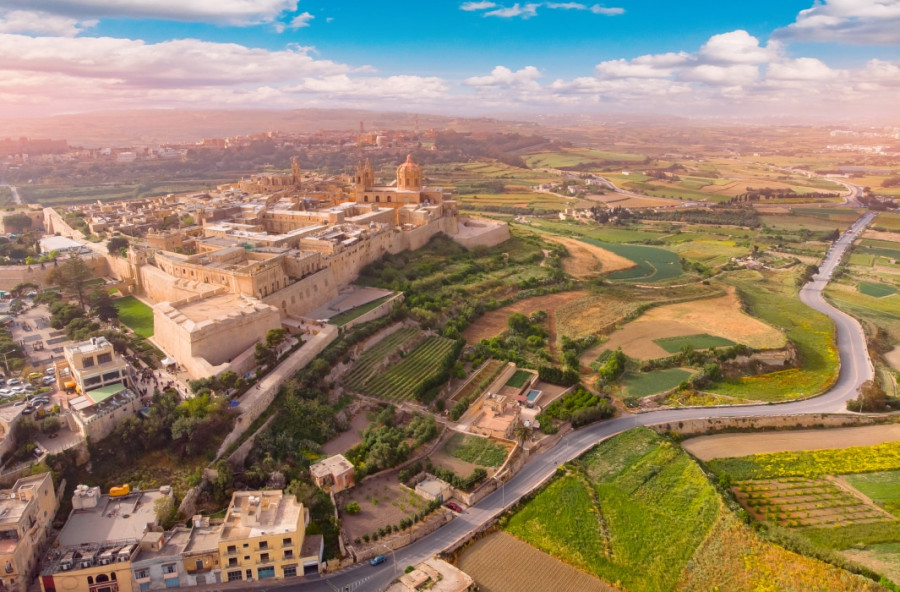
They call Mdina Il-Belt Minqura — the Silent City — and the name earns itself every day. No cars pass through the Norman arch. No delivery vans rattle the cobblestones. Only the wind moves here, and the sound of bells.
Perched on the highest ridge in the centre of Malta, Mdina and its neighbour Rabat together occupy a place that has never quite belonged to ordinary life. For most of human memory this has been the seat of power, the home of the church, the city that mattered. It was only in the sixteenth century, when the Knights of St John built Valletta on the harbour, that Mdina withdrew into itself and became what it is today: the most preserved medieval city in the western Mediterranean, with a resident population of barely three hundred people. Rabat grew up just outside the walls where Mdina ends. Where the Silent City is austere and aristocratic, Rabat is warm, lived-in, and layered with two thousand years of devotion. Its streets lead you past the Grotto of St Paul, through baroque parish squares, and down into catacombs that predate Christianity itself. Together these two places form an address unlike anything else in Malta or, arguably, in Europe.History & Heritage: Three Thousand Years on the Same Hill
The Phoenicians were the first to build here, sometime around 700 BC, drawn by the commanding views and the natural defences of the ridge. The Romans followed, expanded the city into what they called Melita, and gave it the wide streets and grand villas of any prosperous provincial capital. It was the roman governer of Melita that St Paul was brough in 60 AD after his famous shipwreck off the northern coast, and tradition holds that the Cathedral of St Paul in Mdina stands on the very ground where the governor's house once did.
The Arabs arrived in the ninth century and reshaped everything again. They contracted the city behind tighter walls and named it Medina, after their word for a walled town. The community that grew up outside those walls they called Rabat, from the Arabic for suburb, and that name has never changed. When the Normans came two centuries later, they built the cathedral in the Romanesque style, absorbed what the Arabs has left, and passed the city on to the Aragonese, who added the palazzo frontages and the elaborate doorways that still frame the streets today.
The Knights of St John held Mdina as their capital when they arrived in 1530. After the Great Siege of 1565, when Ottoman forces failed to take Malta despite months of assaults, the Knights decided the island needed a new fortified city on the harbour. Valletta was built, the seat of power shifted south, and Mdina was left to the Maltese nobility and the church. In many ways it has never moved on from that moment, which is precisely what makes it so extraordinary.
In recent years the city gained a different kind of fame. The cobbled lanes and honey-stone arches of Mdina served as King's Landing in the first season of Game of Thrones, and visitors have been arriving ever since to see the place for themselves. The residents, all three hundred of them, remain characteristically unmoved.
~700 BC Founded
Phoenician settler chose the ridge for its views across the whole island. Every civilisation since has added a layer to the same hill.
~300 Residents in Mdina
The Silent City proper houses fewer than three hundred permanent residents, making it one of the most intimate and exclusive addresses in Europe.
~167m Above Sea Level
From the bastions on a clear day you can see the whole of Malta in every direction and, on exceptional mornings, the cost of Sicily to the north.
The Market: An Address That Cannot Be Replicated
Property in and around Mdina and Rabat exists in a category of its own. Within Mdina's walls the supply is essentially fixed. The number of residences has not grown for centuries, and genuine transactions are rare events. When a palazzo or a townhouse in the Silent City does come to market, it tends to attract interest from across Europe and beyond, and it rarely sits unsold for long.Rabat offers somewhat more movement, with larger plots and the farmhouse typology that Malta does better than almost anywhere in the Mediterranean. Traditional Maltese farmhouses here can run to several hundred square metres across multiple floors, with internal courtyards, roof terraces with views to Mdina's towers, and the thick limestone walls that keep rooms cool through the summer without air conditioning.
The newest opportunity in the area is Verdala Terraces, a contemporary residential lifestyle development set on the ridge just outside Mdina's walls. The project has been designed to sit within the landscape rather than impose on it, with stone-clad facades and terraces that frame the bastions and the countryside below. For buyers pursuing Malta's Residence by Investment programme, Verdala Terraces may represent a qualifying property within one of the island's most historic settings."Within Mdina the supply is essentially fixed. The number of residences has not grown for centuries."
The wider Rabat area benefits from excellent connectivity despite its timeless appearance. Valletta is twenty minutes by road, the international airport is fifteen minutes, and the main shopping and dining district of St Julian's is half an hour. For all the sense of withdrawal that Mdina conveys, its practical position in the centre of the island is genuinely convenient. Malta's property market has drawn sustained international attention over the past decade, supported by the country's EU membership, its common law legal system, its low property taxes, and the various residency and citizenship programmes available to qualifying buyers. The Mdina and Rabat area sits at the top of that market, combining historical rarity with the lifestyle quality that the centre of Malta offers at its best.
Selected Properties Available Now Through Malta Sotheby's International Realty
The properties presented here represent some of the finest homes available in the Rabat and Mdina area at this time. Each is offered exclusively through Malta Sotheby's International Realty and reflects the exceptional quality of craftsmanship and position that defines this part of Malta.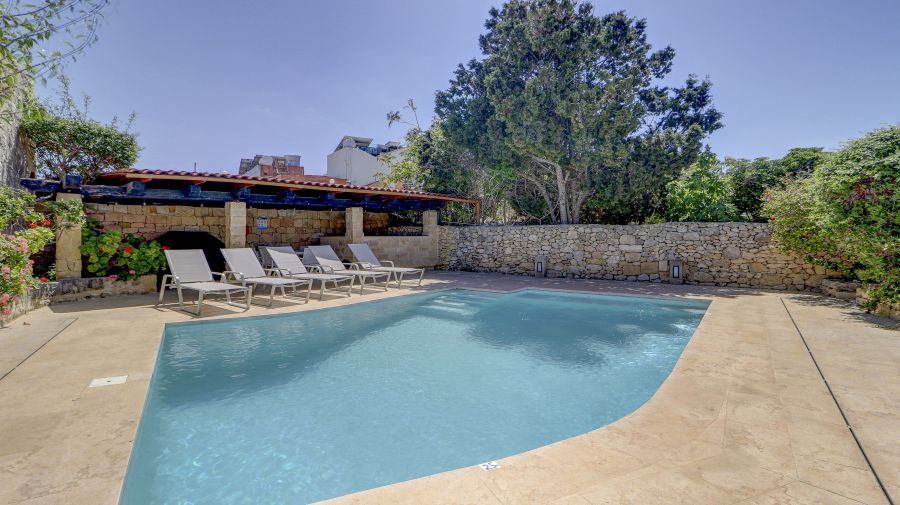 |
4 Bedrooms | 4 Bathrooms | 1,700 SQM | €3,900,000 |
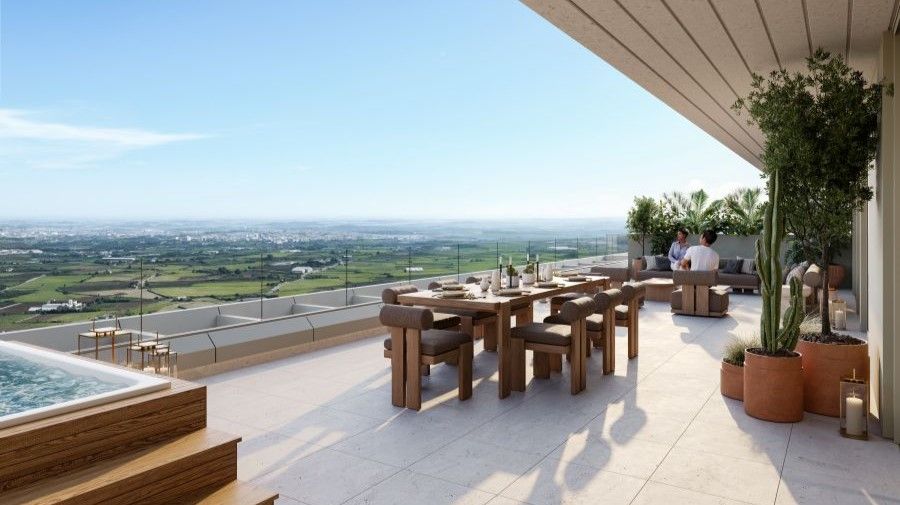 |
3 Bedrooms | 4 Bathrooms | 344 SQM | €4,950,000 |
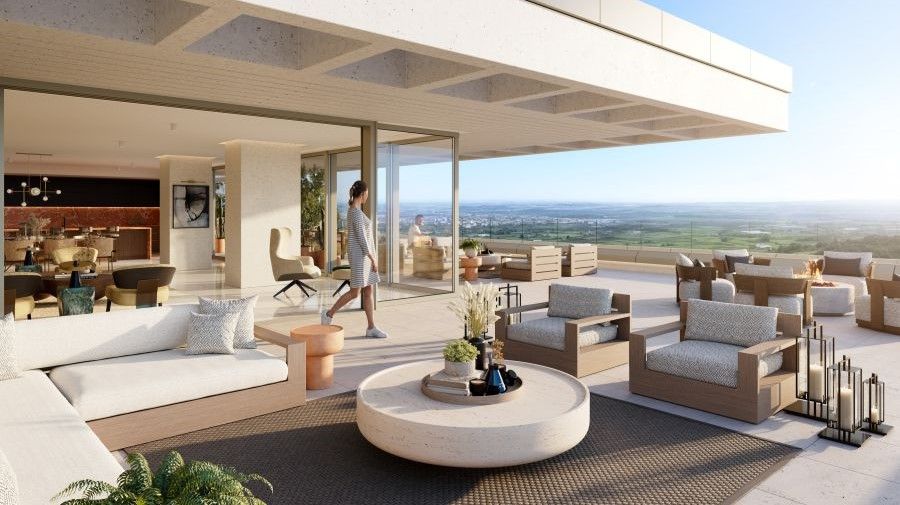 |
Verdala Terraces Corner Residence 3 Bedrooms | 3 Bathrooms | 590 SQM | €6,300,000 |
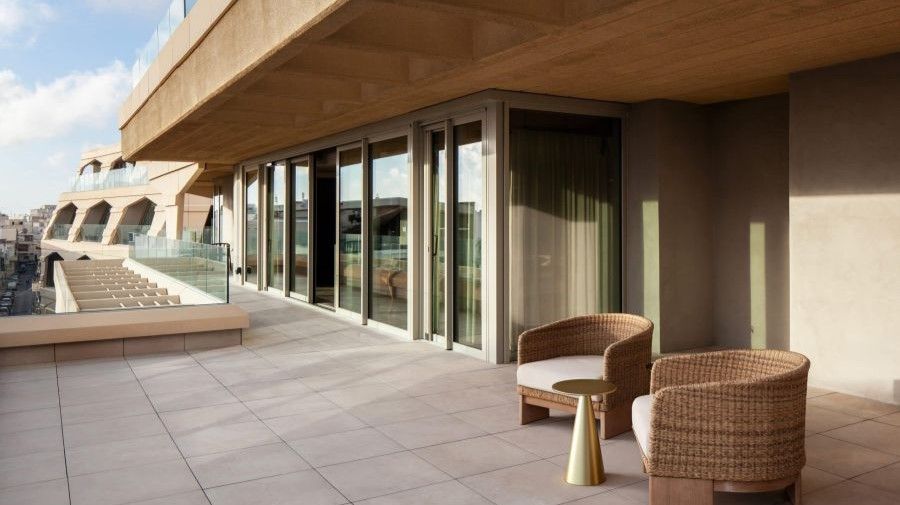 |
Verdala Terraces Country Views Residence 3 Bedrooms | 3 Bathrooms | 341 SQM | €2,950,000 |
Reach out to our team for a confidential, no-obligation conversation about finding the right property for you and how Malta Sotheby's International Realty can support you throughout the buying process. Visit www.maltasothebysrealty.com, contact our Portomaso Marina Office on +356 2010 8077 or our Tigné Point Office on +356 2010 8070, or email info@maltasothebysrealty.com. Alternatively, you are welcome to visit us at Portomaso Marina in St Julian’s or at Tigné Point Pjazza in Sliema.
Authored By
This article was authored by Roger A. Strickland Jr., Joint Owner & Director at Malta Sotheby’s International Realty.