Architecture Styles in Malta: A Guide to Townhouses, Palazzos, Farmhouses & Modern Homes
Luxury Lifestyle & Design News
21st September 2026
Malta's built environment is unlike anywhere else in the Mediterranean. Across just three inhabited islands, centuries of architectural influence have shaped a remarkably diverse residential landscape where fortified cities, elegant palazzos, traditional townhouses, rural farmhouses and contemporary developments exist side by side. Built primarily from the islands' distinctive golden limestone, Maltese homes reflect a remarkable combination of practicality, permanence and cultural heritage.
For anyone considering buying, renting or investing in property, understanding Malta's residential architecture offers valuable insight into far more than appearance alone. Different property types come with distinct lifestyle advantages, maintenance requirements, planning considerations and long-term investment potential. A restored townhouse within a historic village core offers a very different ownership experience to a modern penthouse overlooking the Mediterranean, while a traditional farmhouse in Gozo appeals to an entirely different type of buyer than a contemporary apartment in Sliema.
For those considering buying property in Malta, understanding these different architectural styles is essential. The character of a property influences not only its visual appeal but also its maintenance requirements, renovation possibilities, available amenities, planning considerations and long-term value. A restored townhouse in Valletta offers a completely different ownership experience from a modern seafront penthouse in Sliema or a traditional farmhouse surrounded by Gozo countryside.
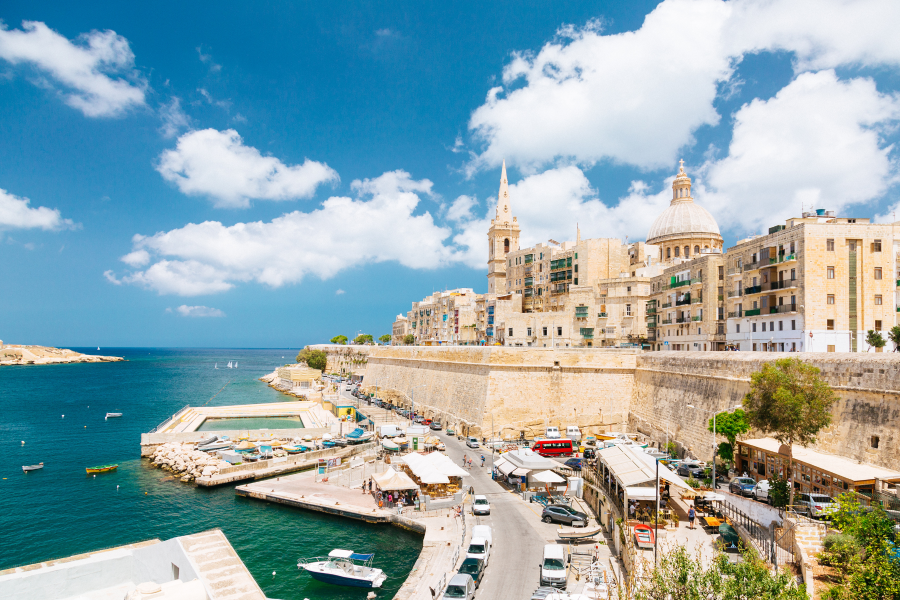
The strongest introduction to Malta’s architectural heritage can be found in Valletta. Founded in 1566 by the Knights of St John, the city was designed as a unified late Renaissance fortified settlement, combining a structured grid layout with impressive bastions, monumental buildings and a concentration of historic architecture that remains one of Europe’s most distinctive urban landscapes.
Whether searching for a luxury villa, an investment apartment, a heritage property or a permanent family residence, understanding Malta's residential architecture provides a stronger foundation for making informed property decisions. This article explores the evolution of Maltese homes, explains the country's most recognisable property types and highlights the architectural features that continue to define one of Europe's most distinctive real estate markets.
Quick Comparison: Malta's Main Residential Property Types
|
Property Type |
Typical Location |
Defining Characteristics |
Best Suited To |
Key Considerations |
|
Apartments |
Sliema, St Julian's, Gżira, Msida, Mosta, St Paul's Bay and across Malta |
Open plan layouts, balconies, shared common areas, lifts |
First time buyers, investors, professionals |
Management fees, construction quality, parking, sound insulation |
|
Maisonettes |
Throughout Malta and Gozo |
Private entrance, single level living, outdoor space |
Families, downsizers, buyers wanting independence |
Limited views compared to upper floors, outdoor maintenance |
|
Penthouses |
Coastal developments, urban centres |
Large terraces, panoramic views, lift access, premium finishes |
Luxury buyers, entertainers, professionals |
Higher purchase prices, airspace rights, weather exposure |
|
Terraced Houses |
Residential suburbs across Malta |
Multi storey family homes, garages, roof terraces |
Growing families |
Redevelopment potential, stairs, renovation costs |
|
Townhouses |
Valletta, Floriana, Rabat, Naxxar, Żebbuġ, Three Cities |
Limestone facades, high ceilings, traditional detailing |
Buyers seeking heritage and character |
Restoration, accessibility, parking, planning restrictions |
|
Houses of Character |
Village cores throughout Malta and Gozo |
Historic features, courtyards, arches, exposed stonework |
Character home buyers |
Age related maintenance, restoration, irregular layouts |
|
Villas |
Madliena, Mellieħa, Santa Maria Estate, High Ridge, Baħar iċ Ċagħaq |
Detached or semi-detached homes with gardens and pools |
Luxury buyers, families |
Higher maintenance, landscaping, premium pricing |
|
Farmhouses (Razzett) |
Gozo and rural Malta |
Thick stone walls, courtyards, rustic architecture |
Lifestyle buyers, holiday homeowners |
Rural planning, maintenance, structural surveys |
|
Palazzos |
Valletta, Mdina, Rabat, Three Cities |
Grand scale, courtyards, ornate stonework, formal rooms |
Heritage collectors, luxury buyers |
Conservation requirements, restoration costs |
Understanding Maltese Architecture
Malta's architecture is immediately recognisable for its warm limestone facades, enclosed timber balconies and tightly woven historic streetscapes. While these features have become symbols of the islands, they are the result of centuries of adaptation to local building materials, Mediterranean weather conditions and changing architectural influences.
Limestone: The Foundation of Maltese Architecture
Perhaps no material has shaped Malta's built environment more than Globigerina limestone. Quarried locally for centuries, this soft honey coloured stone has been used to construct everything from prehistoric temples and grand churches to humble village homes and elegant palazzos.
Its warm golden appearance gives Malta much of its visual identity, particularly as sunlight changes throughout the day, creating subtle variations in colour across facades and streets. Limestone also proved practical for local builders, being relatively easy to carve while offering excellent durability when properly maintained.
The material's natural beauty has encouraged generations of craftsmen to incorporate intricate stone carvings into residential architecture. Decorative cornices, sculpted balconies, ornate window surrounds and carved entranceways remain defining characteristics of many traditional Maltese homes, particularly townhouses and palazzos.
Like any natural material, limestone requires ongoing care. Exposure to salt-laden air, humidity, pollution and weathering gradually affects exterior facades, making periodic cleaning, repointing and professional restoration essential for preserving both structural integrity and visual appeal.
Architecture Designed for a Mediterranean Climate
Long before air conditioning became common, Maltese homes were carefully designed to remain comfortable throughout the year by working with the local climate rather than against it. Many traditional architectural features still admired today originally served practical purposes that helped regulate temperature, improve ventilation and maximise natural light.
Thick limestone walls act as thermal mass, slowing heat transfer and helping interiors remain cooler during Malta's hot summers while retaining warmth throughout the cooler winter months. High ceilings encourage warm air to rise above occupied living spaces, while narrow streets reduce prolonged exposure to direct sunlight, creating naturally shaded urban environments.
Internal courtyards became central elements of traditional homes by introducing daylight and airflow into otherwise compact buildings while also providing privacy from neighbouring properties. Roof terraces offered valuable outdoor space for drying laundry, collecting rainwater, entertaining and enjoying cooling evening breezes, while wells and underground cisterns provided essential water storage before modern infrastructure existed.
Architectural Features That Define Traditional Maltese Homes
Although Malta offers many different residential property types, several architectural elements appear repeatedly across historic homes and continue to define the islands' architectural identity.
The gallarija, Malta's iconic enclosed timber balcony, remains one of the country's most recognisable architectural features. Projecting from limestone facades, these colourful enclosed balconies provide shade, privacy and natural ventilation while allowing residents to observe daily village life from above street level. Their presence contributes significantly to the character of historic streets throughout Valletta, the Three Cities and numerous traditional villages.
Likewise traditional patterned cement tiles introduce colour and craftsmanship into entrance halls and reception rooms, with geometric and floral designs often reflecting the period in which a property was constructed. Original tiles are highly valued during restoration projects and frequently become focal points within heritage homes.
Stone arches, vaulted ceilings, exposed timber beams and traditional limestone roof slabs known as xorok demonstrate the craftsmanship of Maltese stonemasons while contributing to the distinctive character of historic homes. Many traditional properties also retain internal courtyards, along with original wells and cisterns, features that remain closely associated with Malta's architectural heritage and continue to enhance the authenticity of these homes.
The Evolution of Maltese Residential Architecture
Malta's residential architecture reflects the islands' changing social, political and economic history. As new civilisations arrived and communities expanded, homes evolved from simple stone dwellings into fortified urban residences, elegant townhouses, rural farmhouses and, more recently, contemporary apartment developments. While each period introduced new architectural influences, traditional craftsmanship and local limestone remained constant, creating a built environment that continues to define Malta today.
Understanding this evolution provides important context for today's property market. Many of Malta's most desirable homes retain features introduced centuries ago, allowing buyers to appreciate not only how these properties look, but also why they were designed in the way they were.
Medieval Malta and Early Vernacular Homes
Before the construction of Valletta and the arrival of Renaissance planning, Malta's residential architecture was centred around fortified settlements such as Mdina and the neighbouring town of Rabat. Homes were built to serve small, close-knit communities where daily life unfolded within protected village and city walls.
Domestic architecture during this period established many of the layouts that continued to influence Maltese homes for centuries. Buildings were typically inward-looking, with modest street facades that concealed private living spaces arranged around central courtyards. This emphasis on privacy, durability and practical living became a defining characteristic of traditional Maltese residential design and formed the architectural foundation upon which later styles would evolve.
The Knights of St. John and the Birth of Monumental Architecture
The arrival of the Knights of St. John in the 16th century transformed Malta's built environment on an unprecedented scale. Following the Great Siege of 1565, the new fortified city of Valletta was established as a carefully planned Renaissance city, introducing a more formal approach to architecture and urban planning that would influence residential construction throughout the islands.
Grand residences became increasingly sophisticated during this period. Noble families, senior members of the Order and wealthy merchants commissioned homes with elegant limestone facades, imposing entrances, symmetrical proportions and carefully organised interior layouts. Internal courtyards became more elaborate, staircases more decorative and reception rooms more formal, reflecting the growing importance of status within domestic architecture.
While monumental buildings such as churches, auberges and palaces defined Valletta's skyline, many of the architectural details introduced during this period eventually found their way into private residences across Malta. Decorative stone carving, arched openings, formal facades and refined craftsmanship became increasingly common, establishing architectural standards that continue to distinguish many historic properties today.
British Influence and Urban Expansion
Malta entered a new architectural chapter following the beginning of British rule in the early 19th century. As urban centres expanded beyond historic fortified cities, residential architecture gradually evolved to accommodate a growing middle class, changing lifestyles and increasing commercial activity.
The Maltese townhouse became one of the defining residential property types during this period, particularly in expanding communities such as Sliema, Floriana and parts of Valletta. These elegant urban homes combined traditional limestone construction with architectural influences introduced during British administration, resulting in properties characterised by symmetrical facades, decorative mouldings, tall timber doors, ornate staircases and generous ceiling heights.
The period also saw the growing popularity of wrought iron balconies, improved street layouts and increasingly refined domestic interiors. Decorative patterned tiles, elaborate cornices, ceiling roses and carefully proportioned reception rooms reflected Victorian tastes while remaining firmly rooted in Malta's traditional building techniques.
Many of today's most desirable townhouses date from this era, combining historic character with layouts that remain attractive to modern buyers seeking period homes in established urban locations.
Post War Development and Changing Family Living
The decades following the Second World War brought significant social and economic change, leading to a rapid transformation of Malta's residential landscape. Growing populations, increased urbanisation and changing family needs created demand for new housing that differed considerably from traditional village homes.
Terraced houses emerged as one of the country's most common residential property types during this period. Typically arranged across multiple floors, these homes offered practical family accommodation with garages, roof terraces and improved access for private vehicles, reflecting Malta's changing patterns of transport and suburban expansion.
Residential neighbourhoods expanded beyond traditional village cores as larger plots became available for development. Modern construction methods also allowed homes to incorporate wider openings, reinforced concrete structures and layouts designed around contemporary family life rather than historic architectural conventions.
Although these properties often lacked the ornate detailing of earlier residences, they played a vital role in addressing Malta's growing housing needs while bridging the transition between traditional homes and today's modern developments.
Contemporary Malta and the Rise of Modern Residential Living
Over recent decades, Malta's property market has experienced another significant transformation driven by economic growth, international investment and increasing demand for urban living. Apartments have become the country's most common residential property type, particularly within coastal and commercial areas where land is limited, and development density is high.
Modern residential developments prioritise convenience, accessibility and efficient use of space. Open plan living areas, underground parking, lift access, energy-efficient construction and expansive balconies have become standard features across many new developments. Luxury penthouses with large terraces and panoramic sea views have also become increasingly sought after, particularly in locations such as Sliema, St Julian's and Mellieha.
At the same time, contemporary architecture continues to coexist alongside Malta's historic built environment. Across the islands, restored townhouses, converted farmhouses and carefully renovated palazzos stand alongside modern apartment buildings, creating a residential landscape where centuries of architectural evolution remain visible within a single streetscape.
This balance between preservation and progress has become one of Malta's defining characteristics. While modern developments continue to shape the skyline, the country's architectural heritage remains an essential part of its identity, contributing significantly to both its cultural appeal and the long-term value of many residential properties.
Traditional Maltese Property Types
Malta's traditional homes are among the country's most desirable residential properties, offering a level of craftsmanship, architectural character and historical significance that modern developments cannot easily replicate. Built long before contemporary construction methods became standard, these properties showcase centuries of local building traditions while providing distinctive living environments that continue to attract both local and international buyers.
Although terms such as townhouse, house of character, farmhouse and palazzo are sometimes used interchangeably, they represent different property types with unique histories, layouts and ownership considerations. Understanding these distinctions is essential when searching for property, as each offers a very different lifestyle, maintenance commitment and investment opportunity.
Maltese Townhouses - What Is a Maltese Townhouse?
The Maltese townhouse is one of the country's most recognisable and sought after residential property types. Traditionally found within historic towns and village cores, these elegant homes were built primarily between the 19th and early 20th centuries and remain highly regarded for their timeless architecture, generous proportions and exceptional craftsmanship.
Typically constructed from locally quarried limestone and arranged over two or more floors, traditional townhouses feature formal entrance halls, clearly defined living spaces and a wealth of original architectural details. Many have since been carefully restored to accommodate contemporary living while preserving their historic character, making them especially appealing to buyers seeking period charm with modern comfort.
Defining Characteristics of Maltese Townhouses
Townhouses are distinguished by their refined architectural detailing and generous proportions. High ceilings, decorative mouldings, elegant stone staircases, patterned cement tiles, original stonework and traditional timber apertures are among their defining features, while enclosed gallariji or open balconies add architectural character and natural ventilation. Unlike larger historic residences such as palazzos, townhouses were designed as substantial family homes, offering a balance between grandeur and everyday practicality.
Single Fronted and Double Fronted Townhouses
Not all townhouses share the same proportions. One of the most significant distinctions lies in the width of the property's facade, which influences both internal layout and market value. Single fronted townhouses are generally narrower and extend further back from the street. Their elongated layouts often create charming, intimate interiors while making efficient use of limited urban plots. These homes are particularly common within older village centres and historic streets.
Double fronted townhouses are considerably wider, typically featuring a central entrance hall with rooms arranged symmetrically on either side. Their broader facades allow for increased natural light, larger reception spaces and a greater sense of openness, making them particularly desirable among buyers seeking traditional homes with generous proportions. Corner townhouses offer another variation, benefiting from additional windows, improved natural light and enhanced architectural presence due to their prominent street positions.
Where Townhouses Are Most Common
Townhouses are found throughout many of Malta's oldest communities, where they continue to define historic streetscapes and village centres. Some of the country's finest examples can be found in Valletta, Floriana and the Three Cities, where elegant facades reflect centuries of architectural development. Historic villages including Rabat, Naxxar, Zebbug, Birkirkara and Victoria in Gozo also contain significant numbers of beautifully preserved townhouses, many of which remain private residences while others have been sensitively converted into boutique accommodation or commercial spaces.
Who Are Townhouses Best Suited To?
Townhouses appeal to buyers who value architectural heritage, craftsmanship and individuality over the uniformity often associated with newer developments. They are particularly popular among professionals, relocating families, heritage enthusiasts and international buyers seeking an authentic Maltese home.
Their generous proportions provide flexibility for home offices, multiple reception rooms and growing families, while sympathetic renovations often combine original architectural features with contemporary kitchens, bathrooms and energy efficient upgrades. Their relative scarcity, particularly within established village cores, continues to support strong buyer demand and long-term value.
Important Considerations Before Buying a Townhouse
While townhouses offer exceptional character, purchasing one requires careful due diligence. Many properties are several generations old, making a comprehensive structural survey essential before proceeding with any purchase.
Common considerations include rising damp, ageing plumbing and electrical systems, roof condition and the maintenance of original limestone facades or timber apertures. Buyers should also assess natural light, accessibility and whether previous renovations have preserved the property's architectural integrity.
Parking can present challenges within historic urban areas, particularly in older village cores where garages were uncommon when these homes were originally constructed. Properties located within Urban Conservation Areas (UCA’s) may also be subject to planning restrictions governing alterations to facades, balconies, windows and other original architectural features. For buyers willing to invest in ongoing maintenance, however, a traditional Maltese townhouse offers a distinctive ownership experience that combines architectural heritage with lasting desirability.
Houses of Character - What Is a House of Character?
Despite being one of Malta's most frequently used property terms, a house of character is not a distinct architectural style but a recognised property category used to describe traditional Maltese homes that retain a significant proportion of their original architectural features and historic fabric.
Typically located within historic village cores, these homes are valued for their authenticity rather than a fixed architectural layout. While no two are exactly alike, they share a commitment to preserving traditional craftsmanship, original materials and the distinctive character of Malta's historic residential architecture.
Unlike property types such as townhouses, palazzos or farmhouses, which describe a particular form of residential architecture, a house of character is defined by the survival of its original features and the integrity of its restoration. This is why properties with different layouts and histories may all be marketed under the same category.
What Defines a House of Character?
Although every house of character is unique, many retain the architectural details that define Malta's traditional building heritage. Exposed limestone walls, stone arches, vaulted ceilings, timber beams, handcrafted staircases and original patterned floor tiles are among the features most commonly associated with these homes.
Many also incorporate internal courtyards, roof terraces, original wells and cellars, while their layouts often reflect centuries of gradual adaptation rather than modern, symmetrical planning. Together, these features create homes with a strong sense of individuality and architectural authenticity that is difficult to replicate in contemporary developments.
Why Buyers Choose Houses of Character
For many buyers, the appeal of a house of character lies in its authenticity. Original craftsmanship, natural materials and carefully preserved architectural details create homes with a warmth and individuality that set them apart from more conventional residential properties.
These homes are particularly popular as permanent residences, luxury second homes and boutique hospitality projects. Their limited supply, combined with growing appreciation for Malta's architectural heritage, continues to support strong demand among both local and international buyers, especially where restoration has been carried out sympathetically and original features have been preserved.
Important Considerations Before Buying
Owning a house of character offers the opportunity to enjoy one of Malta's most distinctive property types, but it also requires careful due diligence. Buyers should assess the condition of the property's structure, previous restoration work and any ongoing maintenance requirements, particularly where damp, ageing services or historic building materials are involved.
It is also important to establish whether the property is located within an Urban Conservation Area (UCA) or not, as a UCA designations may affect future alterations and planning permissions. When thoughtfully restored and properly maintained, a house of character can provide a highly rewarding ownership experience while preserving an important part of Malta's architectural heritage.
Palazzo’s - What is a Maltese Palazzo?
Few residential properties embody Malta's architectural heritage quite like the palazzo. These grand historic residences were originally built for noble families, influential merchants, senior clergy and members of the island's governing elite, serving not only as private homes but also as symbols of prestige, wealth and social standing.
Unlike townhouses, which were designed as elegant family residences, palazzos were conceived on a far more monumental scale. Their architecture was intended to impress, with imposing facades, elaborate entrance halls and carefully planned interiors reflecting the status of their original owners. Many date back to the period of the Knights of St John, while others were expanded or remodelled during subsequent centuries, resulting in homes that showcase layers of architectural history.
Today, palazzos represent some of Malta's most prestigious residential properties. Although relatively few remain in private ownership, those that do are highly sought after for their rarity, architectural significance and exceptional craftsmanship.
Defining Characteristics of a Maltese Palazzo
A defining feature of a Maltese palazzo is its sense of scale. From the moment visitors enter through substantial timber doors framed by carved limestone surrounds, the architecture conveys permanence and grandeur.
Many palazzos are organised around spacious central courtyards that provide natural light and ventilation while creating a formal transition between public and private spaces. These courtyards often incorporate decorative stone staircases, arcades, ornamental planting and traditional water features, reinforcing their role as architectural focal points rather than simply functional spaces.
Internally, reception rooms are considerably larger than those found in most traditional homes and were designed to accommodate formal entertaining. Decorative stone cornices, painted ceilings, marble flooring, elaborate fireplaces and finely crafted timber doors are common features, while generous ceiling heights enhance the feeling of openness throughout the property.
Many palazzos also contain the piano nobile, the principal floor traditionally reserved for the family's most important reception rooms. Positioned above street level, this elevated floor typically housed formal salons, dining rooms and private apartments while benefiting from improved natural light and ventilation.
Additional architectural features may include grand staircases, private chapels, heraldic stone carvings, enclosed balconies, service quarters, cellars, wells, cisterns and expansive roof terraces overlooking historic townscapes.
Unlike townhouses and other property types in Malta, which were designed as substantial family homes, palazzos were intended to accommodate formal entertaining and ceremonial living, giving them a level of grandeur rarely found in other residential properties.
Where Palazzos Are Found
Palazzos are concentrated within Malta's oldest urban centres, reflecting their historical association with political, religious and commercial power.
Valletta contains some of the country's finest examples, where grand residences stand alongside churches, auberges and government buildings within the city's carefully planned Renaissance grid. Mdina, Malta's former capital, is equally renowned for its noble palaces, many of which remain among the island's most architecturally significant private residences.
Historic communities such as Rabat, Vittoriosa, Cospicua and Senglea also contain important examples, while notable palazzos can be found throughout traditional villages including Naxxar, Żebbuġ, Lija, Attard and Qormi. Gozo's historic centres likewise preserve a smaller but significant collection of prestigious residences that reflect the island's rural aristocratic history.
Because relatively few palazzos were ever constructed, they remain among Malta's rarest residential property types, and are only occasionally available on the open market.
Why Buyers Choose a Palazzo
Palazzos appeal to a highly specialised segment of the property market. Buyers are typically drawn by their historical significance, architectural prestige and the opportunity to own a residence that forms part of Malta's cultural heritage.
Many are purchased as exceptional private homes where original architectural features can be preserved while introducing carefully integrated modern amenities. Others have been sensitively adapted into boutique hotels, exclusive event venues, cultural institutions or diplomatic residences, demonstrating the versatility of these remarkable buildings when restoration is undertaken responsibly.
Their rarity also contributes to their long-term investment appeal. Unlike many residential property types that can be replicated through new development, authentic historic palazzos represent a finite architectural resource whose cultural and historical value cannot be recreated.
Restoration and Conservation Considerations
Purchasing a palazzo requires careful planning and specialist advice. These properties often require conservation rather than conventional renovation, with restoration work focused on preserving original stonework, timber apertures, decorative finishes and other historic features.
Buyers should also consider the complexity of integrating modern services such as climate control, electrical systems, plumbing, lifts and fire protection into centuries-old buildings without compromising their architectural integrity. Structural surveys and advice from experienced architects, engineers and conservation specialists are essential, particularly where the property is located within an Urban Conservation Area or is individually scheduled. While ownership represents a significant commitment, a thoughtfully restored palazzo offers an exceptional combination of historical importance, architectural distinction and long-term prestige.
Farmhouses (Razzett) - What is a Maltese Farmhouse?
Unlike the grand urban residences found within Malta's historic towns and cities, the traditional Maltese farmhouse, known locally as a razzett, developed as the heart of rural life. Designed to support agriculture, these distinctive properties combined family living quarters with spaces for livestock, food production, equipment storage and seasonal farming activities.
For centuries, farmhouses formed the backbone of Malta's agricultural communities, particularly across Gozo and the more rural regions of mainland Malta. Their architecture evolved gradually as farming families expanded and adapted their homes over generations, resulting in properties that reflect practicality, resilience and a close connection to the surrounding landscape.
Today, many former farmhouses have been thoughtfully restored into spacious private residences that retain their rustic character while incorporating contemporary comforts. Others continue to function as working agricultural properties, preserving an important part of Malta's rural heritage.
Common Features of Maltese Farmhouses
Farmhouses are immediately recognisable for their robust limestone construction, generous proportions and close relationship with the surrounding landscape. Thick stone walls, exposed arches, vaulted ceilings, timber beams and traditional stone staircases showcase the practical craftsmanship that has defined rural Maltese architecture for centuries.
At the heart of many properties is a central courtyard, once the hub of daily farming life and today a sought-after outdoor living space that fills the home with natural light and ventilation. Original wells, underground cisterns, former stables, storage rooms and mill rooms remain common features, offering a tangible connection to the building's agricultural past.
Unlike the more formal layouts of townhouses and palazzos, farmhouses evolved organically over time as families expanded their homes to meet changing needs. The result is a series of distinctive, often irregular floor plans that contribute to the individuality and enduring appeal of every property
Farmhouses in Gozo and Malta
Although traditional farmhouses can be found across both Malta and Gozo, their character and setting often differ depending on location. Gozo is particularly renowned for its collection of beautifully preserved farmhouses, many of which remain surrounded by open countryside and traditional village landscapes. Communities such as Gharb, Ghasri, San Lawrenz, Xaghra, Nadur, Qala, Kercem and the outskirts of Victoria contain some of the island's finest examples, where rural architecture continues to play an important role in the local identity.
Many former farmhouses have been sympathetically converted into luxury homes or boutique holiday accommodation, allowing owners to enjoy traditional architecture alongside modern amenities. On mainland Malta, farmhouses are generally concentrated around older agricultural communities including Sggiewi, Rabat, Mgarr, Dingli, Zurrieq, Qrendi, Mellieha and parts of Żebbuġ.
Although development has transformed many surrounding landscapes, these properties continue to reflect Malta's agricultural heritage and offer a level of privacy and outdoor space that is increasingly difficult to find in more densely developed areas. Authentic farmhouses also remain relatively scarce, contributing to their enduring appeal among local and international buyers.
Converted and Unconverted Farmhouses
Not every farmhouse offers the same ownership experience. Some have been extensively restored and modernised, while others remain largely untouched, presenting buyers with very different opportunities and responsibilities.
A fully converted farmhouse is generally ready for immediate occupation, with contemporary kitchens, bathrooms, climate control, updated electrical systems and, in many cases, landscaped gardens and swimming pools. When restored sympathetically, these homes successfully combine modern comfort with traditional architectural character.
Unconverted farmhouses appeal to buyers looking to undertake their own restoration project. While they often retain a greater number of original features, they may require significant investment to address structural repairs, outdated services, waterproofing, drainage and planning compliance before they are suitable for modern living.
Partly converted properties offer a balance between authenticity and convenience, but buyers should carefully assess the quality of previous renovation work, as inconsistent restoration standards can result in hidden defects or costly future repairs.
Who Are Farmhouses Best Suited To?
Farmhouses appeal to buyers seeking a lifestyle that differs from urban apartment living or traditional village homes. Their generous indoor and outdoor spaces make them particularly attractive to families, retirees, remote workers and those looking for greater privacy without sacrificing architectural character.
Large courtyards, gardens and entertaining areas encourage outdoor living, while many restored farmhouses also incorporate swimming pools, outdoor kitchens and landscaped terraces that complement Malta's Mediterranean climate.
Gozo's slower pace of life has further strengthened demand for traditional farmhouses among buyers seeking second homes or holiday properties. For investors, carefully restored farmhouses can also perform well within the luxury holiday rental market where permitted, particularly when original architectural features have been preserved alongside high quality contemporary finishes.
Important Considerations Before Buying a Farmhouse
Purchasing a traditional farmhouse requires careful due diligence. A comprehensive structural survey should assess the condition of limestone walls, roof slabs, foundations and any previous restoration work, while buyers should also look for signs of damp, water ingress and ageing services.
It is equally important to confirm access to utilities, evaluate access roads where applicable and understand any planning restrictions affecting agricultural land, Outside Development Zone regulations or future alterations such as swimming pools and extensions.
Although farmhouses generally require more maintenance than modern homes, a thoughtfully restored farmhouse offers a unique combination of space, character and rural living that few other property types can match.
Modern Residential Property Types
While Malta's historic homes continue to attract buyers seeking architectural character and heritage, modern residential properties have become the backbone of the country's housing market. Population growth, urbanisation and increasing demand for convenient, low-maintenance living have driven the development of apartments, maisonettes, penthouses, terraced houses and contemporary villas across the islands.
Unlike traditional properties that evolved over centuries, modern homes prioritise functionality, accessibility and efficient use of space. Open-plan layouts, energy-efficient construction, lift access, underground parking and contemporary finishes reflect changing lifestyles and the expectations of today's buyers.
Although these homes often differ significantly in appearance from Malta's historic architecture, they play an equally important role within the property market, offering a wide range of options for first time buyers, families, professionals, retirees and luxury purchasers alike.
Apartments in Malta
Apartments are the most common residential property type in Malta and form the backbone of the country's modern housing market. Found throughout both established urban centres and expanding residential communities, they appeal to first-time buyers, professionals, investors, retirees and families seeking practical, low-maintenance living.
Typically located within multi-unit developments, modern apartments prioritise functionality and efficient use of space. Open-plan kitchen, living and dining areas, private balconies or terraces, lift access, air conditioning, double glazing and underground parking have become standard features in many contemporary developments, while higher-end projects often incorporate premium finishes, larger outdoor spaces and shared amenities.
Apartment developments are particularly common in Sliema, St Julian's, Gzira, Msida, Swieqi, San Gwann, Mosta, Birkirkara, St Paul's Bay, Marsaskala and Mellieha, with Victoria and several coastal communities representing Gozo's principal apartment markets.
Before purchasing an apartment, buyers should consider construction quality, sound insulation, condominium fees, parking rights, the condition of common areas and the reputation of the developer. Those purchasing for investment should also assess rental demand, surrounding development activity and long-term neighbourhood growth.
Maisonettes in Malta
Maisonettes are one of Malta's most distinctive residential property types, offering many of the conveniences of apartment living with the added benefit of a private entrance. Usually accessed directly from street level, they provide a greater sense of independence than a conventional apartment while remaining relatively low maintenance. Ground floor maisonettes are the most common, although duplex and elevated layouts are also found in newer developments.
Inside, maisonettes typically feature open-plan living areas, modern kitchens, multiple bedrooms and private outdoor spaces such as front patios, back yards or internal courtyards. Their independent access makes them particularly popular with families, pet owners, downsizers and buyers who value privacy without the upkeep of a larger house.
Maisonettes are widely available throughout Malta and Gozo, particularly in residential communities such as Mosta, Birkirkara, Naxxar, Swieqi, San Gwann, Mellieha, Marsaskala and St Paul's Bay. Before purchasing, buyers should consider natural light, privacy, any shared maintenance responsibilities and condominium fees where the property forms part of a larger development.
Penthouses in Malta
Penthouses occupy the uppermost level of residential developments and represent the premium end of Malta's apartment market. Designed to maximise natural light, privacy and outdoor living, they combine the convenience of apartment ownership with many of the lifestyle benefits traditionally associated with larger homes.
Expansive terraces are their defining feature, creating additional living space for entertaining, dining and relaxation while taking advantage of Malta's Mediterranean climate. Many modern penthouses also feature open-plan layouts, floor-to-ceiling glazing, high-quality finishes, direct lift access and, in some developments, private plunge pools or outdoor kitchens.
Penthouses are particularly sought after in coastal locations such as Sliema, St Julian's, Gzira, Mellieha, St Paul's Bay, Marsaskala and parts of Gozo, where elevated positions offer sea views, marina outlooks or panoramic countryside vistas. Their limited availability within each development, combined with generous outdoor space, makes them especially attractive to professionals, retirees, international buyers and anyone seeking a lock-up-and-leave lifestyle without compromising on space or luxury.
Before purchasing a penthouse, buyers should confirm whether airspace ownership forms part of the title, as this can affect future development rights. It is also important to assess the condition of terraces, waterproofing and drainage, together with the quality of construction, lift maintenance, condominium fees and common areas. While their elevated position provides exceptional views and privacy, it also means greater exposure to sun, wind and weather, making good insulation and climate control important considerations.
Terraced Houses in Malta
Terraced houses became one of Malta's defining residential property types during the second half of the twentieth century as suburban communities expanded and demand grew for practical family homes. Built in continuous rows with shared side walls, each property typically has its own private entrance, garage and roof terrace, offering more independence and space than an apartment while remaining more manageable than a detached villa.
Usually arranged over two or three floors, terraced houses prioritise functionality with generous living areas, multiple bedrooms and regular floor plans that can be adapted as family needs change. Unlike traditional townhouses, they are generally constructed using reinforced concrete rather than limestone load-bearing walls, making internal alterations and modernisation more straightforward. Roof terraces also provide valuable outdoor space and, subject to planning permission, may offer opportunities for future extensions.
Terraced houses are particularly common in established residential areas such as Mosta, Birkirkara, Naxxar, Attard, Balzan, Zebbug, San Gwann, Swieqi, Marsaskala and parts of Mellieha. They remain especially popular with families and long-term owner-occupiers thanks to their generous proportions, private garages and flexibility. Before purchasing, buyers should assess the condition of the structure, waterproofing, plumbing and electrical systems, while also confirming that any previous alterations or extensions received the necessary planning approvals.
Villas in Malta
Villas represent the pinnacle of Malta's residential property market, offering generous living spaces, landscaped gardens, private swimming pools and a level of privacy that is difficult to achieve in more densely developed areas. Available as either detached or semi-detached properties, villas occupy larger plots and are among the country's most prestigious homes, attracting buyers seeking luxury, space and exclusivity.
Modern villas are designed around indoor and outdoor living, with expansive open plan interiors flowing onto terraces, gardens and pool areas. Many also include multiple reception rooms, home offices, gym facilities, guest accommodation and smart home technology, reflecting the expectations of today's luxury buyers. Malta's most sought after villa locations include Madliena, High Ridge, Santa Maria Estate, Bahar-ic-Caghaq, Mellieha and parts of Naxxar, while Gozo also offers a collection of high-end villas that combine traditional architecture with contemporary comforts.
Before purchasing a villa, buyers should consider the long-term costs associated with maintaining larger properties, including gardens, swimming pools and exterior spaces. A comprehensive structural survey is essential, particularly for older homes, while drainage, security systems, utility infrastructure and any previous extensions should also be carefully assessed. For buyers seeking privacy, generous accommodation and exceptional outdoor living, villas remain one of the most desirable property types in Malta.
Architecture Across Malta
Although Malta is relatively small, its architecture varies noticeably from one region to another. Historic centres such as Valletta, Mdina, Rabat and the Three Cities are renowned for their concentration of townhouses, palazzos and houses of character, where centuries of architectural heritage continue to shape the streetscape. Traditional village cores, including Naxxar, Lija, Balzan and Zebbuġ, also preserve significant collections of historic homes that remain popular with buyers seeking authenticity and character.
In contrast, Malta's coastal communities, including Sliema, St Julian's and Gzira, are defined largely by contemporary apartment developments, penthouses and luxury waterfront residences, while northern localities such as Mellieha and St Paul's Bay offer a broader mix of modern homes, villas and traditional properties. Gozo retains the island's strongest rural identity, with beautifully restored farmhouses and houses of character reflecting its agricultural heritage and lower density of development.
Understanding these regional differences helps buyers identify not only the right property type but also the environment that best suits their lifestyle, whether that means historic city living, a traditional village setting, a modern coastal development or the tranquillity of the countryside.
Choosing Between Traditional and Modern Homes
Before exploring Malta's individual residential architecture styles, it is worth understanding the broader distinction between traditional and modern homes. While each property type has its own unique characteristics, they generally fall into one of these two categories, each offering a very different ownership experience.
Traditional homes are defined by craftsmanship, architectural heritage and individuality, while modern developments prioritise convenience, efficiency and contemporary living. Neither approach is inherently better. The right choice depends on your lifestyle, long-term plans and what you value most in a property.
Character Versus Convenience
Traditional Maltese homes are celebrated for their architectural identity. Limestone walls, timber balconies, patterned tiles, vaulted ceilings and handcrafted stonework create homes with a sense of history that modern construction cannot easily replicate. Many have evolved over centuries, giving each property its own unique layout and character.
Modern homes take a different approach. Open plan living areas, larger glazing, contemporary finishes and integrated technology are designed to maximise comfort, natural light and everyday practicality. Their layouts generally suit modern lifestyles, particularly for buyers seeking low-maintenance living and greater accessibility.
Lifestyle and Practicality
The way a property functions day to day is just as important as its architectural style. Traditional homes often feature multiple floors, internal courtyards and roof terraces, creating distinctive living environments that reward buyers who appreciate character and outdoor space.
Modern homes typically place greater emphasis on convenience. Lift access, integrated garages, predictable layouts and contemporary building standards make apartments, maisonettes and many newer homes well suited to professionals, families, retirees and anyone looking for a more straightforward ownership experience.
Maintenance and Long-Term Ownership
Older properties often require a greater commitment to ongoing maintenance. Preserving limestone façades, timber apertures, original flooring and historic architectural features requires specialist care, while ageing roofs, plumbing and electrical systems may need upgrading over time.
Modern homes generally require less immediate maintenance, although apartment owners should still consider condominium fees, common area management and shared building responsibilities. Larger contemporary homes such as villas also carry ongoing maintenance costs associated with gardens, swimming pools and exterior spaces.
Finding the Right Fit
Whether you are drawn to a century’s old townhouse, a restored farmhouse, a grand palazzo or a contemporary apartment overlooking the coast, each property type offers a distinct combination of architecture, lifestyle and investment potential. Understanding these broader differences provides a useful foundation before exploring Malta's individual residential property styles in greater detail.
Urban Conservation Areas and Scheduled Buildings
Many of Malta's most desirable homes are located within historic towns and villages where planning policies help preserve the islands' architectural heritage. For buyers considering a traditional property, understanding the difference between an Urban Conservation Area (UCA) and a Scheduled Building is essential, as they are separate planning designations with different implications for restoration and future alterations.
What Is an Urban Conservation Area?
An Urban Conservation Area is a designated part of a town or village recognised for its architectural, historical or cultural significance. Rather than protecting individual buildings, UCAs safeguard the overall character of historic streetscapes, ensuring that new development and external alterations remain sympathetic to their surroundings.
Examples include Valletta, Mdina, Rabat, the Three Cities and the historic centres of villages such as Naxxar, Zebbug, Lija, Balzan and Attard. While owning a property within a UCA does not prevent renovation, changes to façades, balconies, apertures and other visible architectural features are often subject to planning approval.
What is a Scheduled Building?
A Scheduled Building is an individual property that has been legally protected because of its architectural, historical, archaeological or cultural importance. Unlike a UCA, which protects an entire area, scheduling focuses on the building itself.
Scheduled properties range from palazzos and churches to traditional townhouses, farmhouses and other historically significant buildings. Depending on the level of protection, both external and internal architectural features may be protected, meaning restoration work often requires specialist advice and formal planning approval. Some scheduled buildings are also located within UCAs, although the two designations remain entirely separate.
What Buyers Should Know about Urban Conservation Areas
Buying a property within a UCA or purchasing a Scheduled Building does not prevent modernisation, but it does require careful planning. Before committing to a purchase, buyers should review the property's planning history, confirm whether previous alterations were approved and establish whether any protected architectural features may affect future renovation plans.
Engaging an architect with experience in heritage properties is highly recommended, particularly where significant restoration is anticipated. Professional advice can help identify planning requirements, assess the condition of original features and ensure proposed works respect both the property's architectural significance and current planning regulations.
Why Heritage Protection Matters
Planning controls play an important role in preserving the qualities that make Malta's historic towns and villages so desirable. By protecting traditional streetscapes and significant buildings, they help safeguard the architectural character that attracts homeowners, investors and visitors alike. For buyers, this means investing in neighbourhoods where the surrounding built environment is also protected, helping maintain both the appeal and long-term value of historic properties.
Restoring Malta's Historic Homes
One of the reasons Malta's historic properties remain so desirable is their ability to adapt to modern living without losing their architectural identity. Carefully restored townhouses, houses of character, farmhouses and palazzos often combine original limestone features, timber balconies, patterned tiles and vaulted ceilings with contemporary kitchens, bathrooms, energy-efficient systems and modern comforts.
Successful restoration is rarely about making a historic home feel new. Instead, it focuses on preserving the elements that give the property its character while introducing thoughtful upgrades that improve everyday living. Where a property is located within an Urban Conservation Area or is a Scheduled Building, restoration work may require planning approval and specialist conservation techniques to protect significant architectural features.
For buyers considering a restoration project, engaging an experienced architect and carrying out a thorough structural survey before purchase is essential. While restoring a historic property can require greater investment than buying a modern home, it also offers the opportunity to preserve a unique part of Malta's architectural heritage while creating a home that balances history with contemporary living.
Choosing the Right Property for Your Lifestyle
Selecting a property in Malta involves more than choosing between traditional and modern architecture. The right home should complement your lifestyle, long term plans and the level of maintenance you are comfortable undertaking.
Before making a decision, consider the following:
- How do you plan to use the property? A permanent residence, holiday home or investment property will each have different priorities, from location and accessibility to rental potential and long term value.
- How much maintenance are you prepared to undertake? Historic homes often require greater ongoing care, but they offer architectural character, craftsmanship and individuality that cannot be replicated in newer developments.
- How important are space and accessibility? Families may prioritise larger homes with outdoor areas, while professionals, retirees or those seeking convenience may prefer properties offering low maintenance living and modern facilities.
- Does the location support your lifestyle? Factors such as commuting, nearby amenities, schools, healthcare, parking and the surrounding community all play an important role in long term satisfaction.
- Will the property continue to meet your needs in the future? Considering how your lifestyle may evolve can help ensure your chosen home remains practical and suitable for years to come.
There is no single property type that is right for everyone. By balancing lifestyle requirements, architectural preferences and long-term ownership considerations, buyers can make a more confident and informed decision.
Finding the right property in Malta often requires local insight into neighbourhoods, market conditions, planning considerations and the unique characteristics of each residential property type. Malta Sotheby's International Realty combines in-depth knowledge of the Maltese property market with access to some of the island's most distinctive residences, helping buyers identify opportunities that align with their individual requirements. Whether you are searching for a permanent residence, a second home or an investment property, their experienced property professionals can provide guidance throughout every stage of the process.
To begin your property search, contact Malta Sotheby's International Realty on +356 2010 8077, visit www.maltasothebysrealty.com or meet the team at their offices located at Portomaso Marina or Tigné Point Pjazza. Whether you are planning your move or ready to find your ideal home in Malta, their team is ready to assist.


More News in Malta