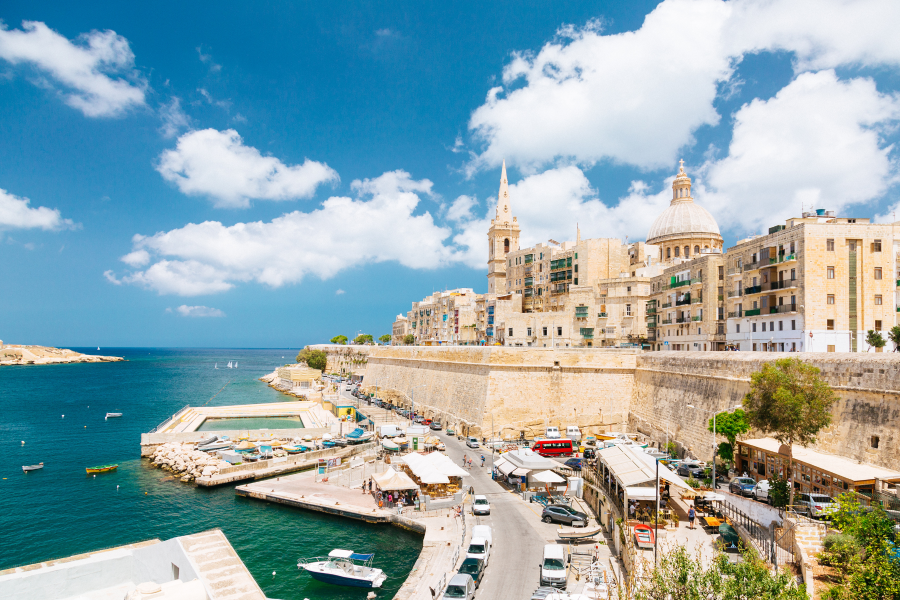
Moving to Malta from the USA – A Complete Guide
Malta Relocation & Residency News
5th December 2025

Relocating across continents is a major life decision, but for many US citizens, living in Malta as an American offers an irresistible mix of Mediterranean sunshine, safety, culture, and opportunity. With English as an official language and a stable economy, the island nation provides a welcoming entry point into European life. Whether you’re planning to relocate to Malta for work, retirement, or a change of scenery, this guide walks you through every step - from visa options to housing, healthcare, and taxation ensuring your relocation is seamless and informed.
Preparing for Your Move to Malta from the USA
Relocating to Malta as an American requires careful preparation, but with the right guidance, the process is straightforward. Before you pack your bags, it’s important to understand the visa and residency requirements and the essential documents you will need to support your application.
Documentation and Visas
Before you book your one-way ticket, it’s essential to understand Malta’s visa process for U.S. citizens and the country’s residency requirements.
- Visa and residence permit requirements for Americans
S. citizens can enter Malta visa-free for up to 90 days within a 180-day period. For longer stays, you’ll need to apply for a residence permit. Malta offers several residency routes depending on your circumstances. - Temporary vs. permanent residency
Temporary residence is common for those working, studying, or staying long-term, while permanent residence is available to individuals who meet financial and residency requirements.
- Malta’s Nomad Residence Permit (for remote workers)
This popular option allows remote workers employed by U.S. or international companies to live in Malta while working online. Applicants must show proof of remote income. - Other residency and citizenship options
Malta also offers programs like the Global Residence Programme (for high-net-worth individuals) and the Malta Permanent Residence Programme (MPRP), which provides long-term residency rights for qualifying candidates.
Necessary documents for relocation
You’ll need several essential documents to relocate to Malta. Without the required paperwork, you may be denied entry into the country;
- Valid U.S. passport (with at least six months’ validity)
- Birth and marriage certificates (apostilled)
- Employment contract or proof of remote income
- Health insurance documentation
- Work or residence permits, if applicable
Shipping Your Belongings
Shipping your belongings over to Malta when you relocate from the U.S. requires careful planning to ensure everything arrives safely and on time. Whether you’re moving an entire household or just essentials, it’s important to understand shipping options, customs regulations, and how to bring pets along.
Overview of shipping methods (container shipping vs. air freight)
Choosing the right shipping method when moving your belongings to Malta from the U.S. is essential. Costs, speed, and the volume of items will influence whether container shipping or air freight is best suited to your move.
- Container Shipping (Sea Freight):
This is the most cost-effective option for large shipments or full household moves. Transit times from the U.S. to Malta typically range from 4 to 8 weeks. Container shipping is ideal for furniture, appliances, and bulk personal items.
- Air Freight:
Air freight offers a much faster alternative, usually taking 5 to 10 days for delivery. It is more expensive than sea freight and best suited for essential or time-sensitive items. This method is ideal for electronics, clothing, and personal belongings needed immediately upon arrival.
- Partial Container / LCL (Less than Container Load):
If you don’t have enough items to fill a full container, LCL allows you to share a container with other shipments, reducing costs. Transit times are similar to full container shipping, but handling may take slightly longer due to consolidation and deconsolidation processes.
- Express Shipping Services:
Courier companies such as DHL, FedEx, and UPS can handle small packages quickly and reliably. This option is suitable for important documents, valuables, or items required immediately upon arrival.
Customs and import regulations
When moving to Malta from the U.S.A, household goods can usually be imported duty-free if they’ve been owned for at least six months. You’ll need a detailed inventory list and proof of residence in Malta. Restricted items such as firearms and certain medications require special permits.
Bringing pets to Malta from the U.S.
Pets are welcome but must meet EU import standards, including a microchip, rabies vaccination, and veterinary health certificate. The process typically takes a few months, so plan ahead to avoid quarantine delays.
Cost of Living: USA vs. Malta
Adjusting to life in Malta also means understanding the differences in cost of living compared to the U.S.A. While some expenses, such as groceries and dining out, may be comparable, others like housing or utilities can vary significantly depending on location and lifestyle.
Housing: Renting vs. Buying Property in Malta
Housing costs in Malta depend heavily on location and property type. Renting in central areas such as Sliema, St Julian’s, or Valletta can range from €1,800 to €7,500 per month on average. Premium villas in coastal towns like Mellieħa or exclusive residential areas such as Madliena typically start around €4,500 per month, with larger or sea-view properties reaching €10,000 and above.
Buying property follows a comparable pattern with the costs per sqm varying depending on amenities and sea views. Popular property types in the mid to luxury segment include modern penthouses, traditional townhouses, character properties, and detached villas featuring private pools, landscaped gardens, and panoramic views of the Mediterranean. Malta Sotheby’s International Realty can guide you through property selection, legal requirements, and investment opportunities.
- Popular areas to live in Malta: Sliema, St Julian’s, Valletta, Three Cities, Naxxar, Madliena, and Mellieha
- Utilities and internet: Expect around €150–€200 per month for electricity and water, while high-speed internet packages average €30 to €50 per month.
- Groceries and dining out: Eating local keeps costs low - fresh produce and Mediterranean cuisine are affordable and excellent whilst dining out varies. A casual meal for one may cost €12 to €50, while a three-course dinner for two at a mid-range restaurant typically ranges from €70 to €120.
- Transportation expenses: Transportation options in Malta include buses, taxis, and private vehicles. Public transportation is reliable and affordable, with monthly bus passes around €30–€40. For those owning private vehicles, fuel, insurance, and parking costs are additional considerations.
- Healthcare and insurance: Public healthcare is available to residents through the national system at low cost, while private insurance provides faster access and a wider choice of specialists. Private insurance for expats typically ranges from €500 to €1,500 annually.
Finding Work in Malta
The island’s economy is robust and diverse, offering a range of opportunities for skilled expats. From technology and financial services to iGaming and digital entertainment, Malta provides a dynamic job market where Americans can leverage their expertise while enjoying a high quality of life in a Mediterranean setting.
Malta’s job market and high-demand sectors
Malta’s has positioned itself as a hub for high-demand industries, offering competitive opportunities across multiple sectors. These sectors offer competitive salaries and a chance to work in a modern, English-speaking environment within the heart of Europe.
Top industries for Americans include:
- Tech and IT – software, cybersecurity, and blockchain
- Financial services – banking, compliance, and insurance
- Gaming industry – iGaming and digital entertainment remain major employers
Remote work and freelancing opportunities
With widespread high-speed internet and the Nomad Residence Permit, remote work in Malta is flourishing. Many Americans work for U.S. companies while enjoying the Mediterranean lifestyle.
Tips for job hunting and professional networking in Malta
Join local LinkedIn groups, attend business meetups, networking events and register with recruitment agencies specializing in expats. Networking is highly valued in Malta’s close-knit professional community.
Education and Schooling
For families relocating to Malta, the education landscape is both excellent and diverse. The island offers a range of options, including international schools, high-quality private and public schools, and higher education opportunities, ensuring that American families can find the right fit for their children at every stage of learning.
- International schools and education options for American families moving to Malta
Malta has several well-regarded international schools offering American, British, and IB curriculums, such as Verdala International and QSI International School.
- Public vs. private schooling
Public schools are free and primarily English-speaking, while private schools offer smaller class sizes and international programs.
- Higher education opportunities in Malta for American students
The University of Malta and the American University of Malta both welcome international students and provide English-language degree programs.
Healthcare System in Malta
Malta’s healthcare system is consistently ranked among Europe’s best, making it a key consideration for Americans relocating abroad. The island offers a blend of efficient public services and high-quality private care.
- Public vs. private healthcare services
Public healthcare is funded through taxes and provides comprehensive coverage for residents. Private clinics and hospitals offer faster access and premium facilities.
- Obtaining health insurance coverage as an expat
Americans relocating temporarily must maintain private coverage. Many opt for international health insurance plans that include global emergency care.
- Availability of medical services and specialists
Doctors and specialists are well-trained, English-speaking, and readily available. Pharmacies are widespread and well-stocked.
Adjusting to Life in Malta
Malta’s friendly, welcoming atmosphere makes it easy for newcomers to settle in. The island’s English-speaking population and international community further ease the transition for Americans moving abroad
Cultural differences and lifestyle adjustments
Cultural differences in Malta are minimal are minimal but expats can expect a slower, more relaxed pace, with a strong focus on family, leisure, and community. Residents enjoy outdoor living, local festivals, food markets, and seaside cafés, creating a lifestyle that balances Mediterranean charm with modern comfort.
Language and communication
Both Maltese and English are official languages, so Americans rarely face communication barriers.
Building social connections and networking as an expat
Malta’s close-knit yet cosmopolitan community makes it easy to build meaningful connections. Expats often find their social circle expanding quickly through local clubs, co-working spaces, and cultural events. Networking opportunities also abound within Malta’s thriving business, tech, and creative sectors, allowing newcomers to establish both personal and professional ties with ease.
Taxation and Financial Considerations
Malta follows a residence-based tax system. However, understanding how Malta’s tax system interacts with U.S. obligations is key to managing your finances smoothly. With proper planning, you can stay compliant while making the most of available tax benefits and treaty protections.
Overview of Maltese tax obligations for American citizens
Malta taxes residents on income earned locally and on foreign income brought into the country. As a U.S. citizen, you must still file annual taxes with the IRS, no matter where your income is generated. Thankfully, provisions such as the Foreign Earned Income Exclusion (FEIE) and Foreign Tax Credit can help reduce or eliminate double taxation, making cross-border compliance more manageable.
Double taxation treaties between Malta and the USA
The U.S.–Malta Double Taxation Treaty helps ensure that Americans with income, corporate profits, or pensions that cross borders are not unfairly taxed twice. However, Americans must still file U.S. tax returns and may still have tax obligations under U.S. law. The treaty provides relief through credits, reduced withholding, and other mechanisms depending on the type of income, residency status, and whether the income is remitted to Malta.
Opening bank accounts and managing finances abroad
Opening a local bank account in Malta is generally straightforward for residents with valid identification, proof of address, and documentation of income. However, due to FATCA regulations, U.S. citizens may encounter extra compliance steps or documentation requests.
Pros and Cons of Moving to Malta from the USA
Relocating to Malta offers an enviable lifestyle and a fresh perspective on Mediterranean living. However, like any international move, it comes with both rewards and adjustments. Here’s a look at the key advantages and considerations for Americans making Malta their new home.
Thinking About Relocating to Malta?
Malta offers a unique blend of opportunity, safety, and lifestyle for Americans seeking a European base. Whether your move is temporary or permanent, Malta Sotheby’s International Realty can guide you through every stage — from finding your ideal property and identifying investment opportunities to connecting you with trusted partners for local regulations, taxation, and corporate services.
Start your Maltese journey with confidence — contact Malta Sotheby’s International Realty today.
Advantages of relocating
- Exceptional quality of life and Mediterranean climate
- Accessible, affordable healthcare
- Expat-friendly community and English-speaking locals
- Political stability and EU access
- Effortless European travel
- Low crime rate and strong sense of safety
Potential challenges
- Smaller living spaces than in the U.S.
- Limited shopping options for niche goods
- Island lifestyle may feel slow for some
FAQs
Can a U.S. citizen live permanently in Malta?
Yes. With the right residence permit, Americans can live in Malta long-term and may apply for permanent residence after five years.
Do Americans need a visa to move to Malta?
Short visits don’t require a visa, but stays longer than 90 days in a 180-day period require residence authorization.
Is healthcare free for Americans in Malta?
Public healthcare is free for residents who contribute through taxes. Private insurance is recommended for expats.
Can Americans work remotely from Malta?
Yes, through the Nomad Residence Permit, which allows Americans to live in Malta while working for U.S. or international employers.
How expensive is it to live in Malta compared to the U.S.?
Generally the cost of living in Malta is lower than in America. This is especially true for healthcare, education, and transportation. Housing costs vary by location.