Are New Build Properties Always Better? A Malta Property Perspective
5th October 2026
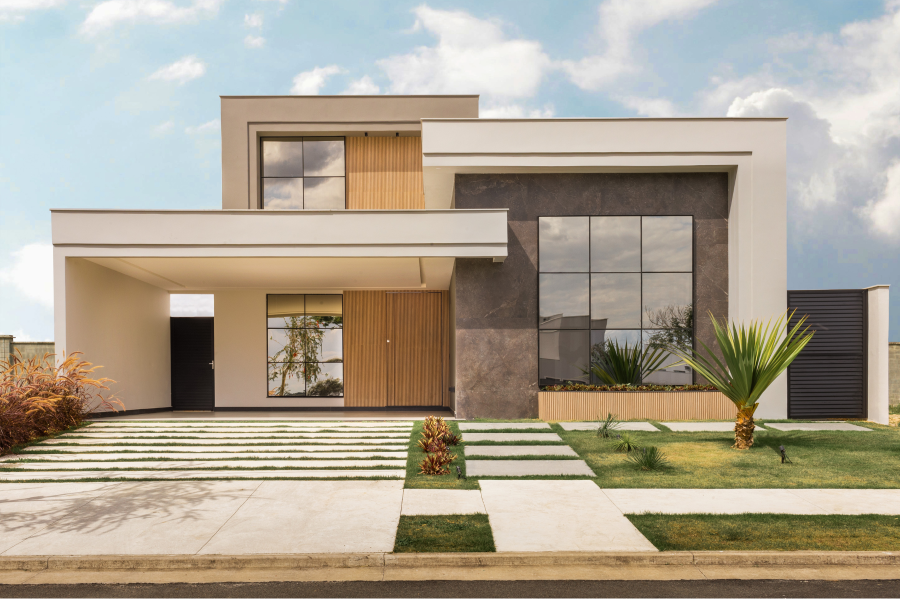
Buying a newly built property in Malta can be appealing. Modern finishes, contemporary layouts, improved energy performance and the prospect of moving into a home that requires little immediate work can make a new development seem like the obvious choice.
Yet a property being new does not automatically make it better. Established homes can offer qualities that are difficult to reproduce, while new developments can provide conveniences that may be particularly valuable to certain buyers. The more useful question is not whether new or old is better, but which property offers the right combination of quality, practicality and value for the intended use.
A Property’s Age Is Only One Measure of Quality
The age of a property provides useful context, but it does not tell a buyer everything they need to know about its condition or suitability. A newer home may have contemporary finishes and systems, while an older property may have been substantially renovated or carefully maintained over many years.
Depending on the stage of construction, a new property may also offer buyers an opportunity to personalise certain finishes or interior elements, which can be appealing to those who want greater control over the final result.
However, a construction date says little on its own about how well a property has been designed for everyday living. Factors such as the quality of the building, the layout, the amount of usable space and the condition of the property all need to be considered independently.
What the Market Means by “New Build”
“New build” can describe several different stages of a property’s development. A buyer may be purchasing off plan before construction has started, buying a unit that is already under construction, or purchasing a property that is already structurally complete. The level of completion can also vary considerably as a property may be sold in shell form, semi-finished, fully finished, furnished and ready for occupation, or recently completed but previously occupied.
This distinction matters because the advertised price may not represent the cost of obtaining a finished home. Buyers should establish exactly what is included in the asking price and what remains to be completed before the property can be occupied. A shell apartment, for example, may still require bathrooms, internal doors, flooring, lighting, air conditioning, a kitchen and professional fees before it becomes a fully usable home.
Comparisons should therefore be based on the expected total cost of bringing each property to the required standard, rather than on the initial asking price alone.
Location Should Carry More Weight Than Construction Date
A newly built property in a developing area is not automatically more suitable than an older property in an established neighbourhood. The immediate surroundings should be assessed according to how the buyer intends to use the property.
Access to shops and essential services, public transport, road connections and parking can all affect everyday convenience. Noise, traffic, neighbouring land uses and the character of the street can be equally important. Proximity to your workplace, schools, town centres and the coast may also influence how practical the property remains over time.
In established neighbourhoods, buyers can assess the surrounding environment as it currently exists. In developing areas, future construction can alter density, traffic, views and the character of the neighbourhood. Buyers should therefore consider what may change around the property as well as what is there today.
Modern Standards Can Improve Efficiency, but Specifications Matter
Newer properties can benefit from more recent requirements relating to energy performance, the building envelope and technical building systems. Malta’s current Technical Document F sets minimum energy performance requirements for new and renovated dwellings, including requirements relating to building elements, glazing, solar gains, shading and on-site renewable energy generation. The current framework took effect on 1 July 2024 and includes provisions concerning rainwater collection.
Meeting those requirements, however, should not be confused with exceptional performance. The specification of the individual property still matters.
For buyers comparing specifications, the following details can be particularly useful:
- Glazing and insulation: Window quality, external wall and roof insulation can affect both heat gain and heat loss.
- Solar control: Orientation, window size and shading can make a significant difference to summer comfort.
- Building systems: Air-conditioning, water heating and ventilation should be assessed for both efficiency and suitability.
- Energy provision: Photovoltaic systems and the property’s Energy Performance Certificate can provide further insight into expected energy performance.
- Summer cooling: A home that receives substantial afternoon sun may require more cooling, regardless of how modern its systems appear.
The design of the home therefore matters alongside the technology installed within it. Large areas of glazing may provide excellent natural light, for example, but can also increase solar heat gain if they are not appropriately designed and shaded.
Construction Quality Requires Independent Assessment
A newly completed property should not be assumed to be free from defects simply because it has not previously been occupied. The quality of construction can only really be understood by looking at how the property has been finished and how its different elements perform in practice. Water penetration, terrace drainage, sound insulation, windows and doors, plumbing, flooring and air conditioning are among the areas that may require closer attention, while unfinished common areas can also affect the overall quality of the development.
These details are not always apparent during a standard viewing, particularly when a furnished show unit is being used to represent a wider development. An independent architect can assess the actual property and identify matters that may require attention before the purchase is completed. For an existing property, this means inspecting the unit itself rather than relying on photographs or promotional material.
For an off-plan purchase, the nature of the assessment is different because the finished property cannot yet be inspected. The agreed plans, specifications, materials and finishes therefore become particularly important, as these documents define what the buyer is contracting to receive and provide a basis against which the completed property can later be assessed.
Off Plan Purchases Require a Different Type of Due Diligence
Buying off plan can provide access to a wider selection of units and, depending on the development, may allow buyers to choose certain finishes or specifications. Payment arrangements may also be structured around different stages of construction.
The trade-off is that some characteristics cannot yet be experienced. Completion dates may change, plans may be amended and the final dimensions, finishes, views and common areas cannot be assessed in the same way as those of an existing property.
The wider development also needs to be considered. Construction may continue around the purchased unit, while neighbouring phases of a project may affect access, noise or the eventual surroundings.
The developer’s previous delivery record can provide useful context, but it should not replace the contractual documentation. Architectural impressions can help buyers understand the intended design, but they remain marketing material rather than a substitute for the documents that define what is being purchased.
Before entering into a binding agreement, buyers should have the sanctioned plans, specifications, completion conditions and provisions relating to delays reviewed by the appropriate architect, notary and legal advisers.
Older Properties May Offer More Generous Internal Proportions
The amount of usable space deserves separate attention when comparing new and established properties. Some established Maltese apartments, maisonettes and houses can feel surprisingly generous, with wider rooms, higher ceilings and larger entrance halls creating a sense of space that is difficult to capture through a floor area figure alone.
Older layouts may also separate living and kitchen areas rather than combining them into a single open-plan space. More substantial walls, greater storage and features such as internal yards or courtyards can add to the way a home functions. In some locations, larger plots or greater space between neighbouring buildings can provide another advantage that is difficult to reproduce within a dense new development.
Modern developments may make efficient use of their available floor area, but efficiency is not necessarily the same as spaciousness. Buyers should examine the actual dimensions of bedrooms, living areas, storage and circulation spaces rather than relying only on the total advertised floor area.
Furniture placement is a particularly useful test. A room that appears generous on a floor plan may feel considerably smaller once beds, sofas, wardrobes and dining furniture are accommodated. The question is whether the available space works comfortably in practice.
Architectural Character Can Create Long-Term Scarcity
Older Maltese properties can contain architectural features that are difficult to reproduce in a contemporary development. Traditional stone facades, timber balconies, patterned tiles, stone staircases, internal courtyards, high ceilings and wooden beams can give a property a distinctive sense of place. When these features form part of an established historic streetscape, they can also contribute to the character of the wider setting.
Where such features are genuine, well preserved and combined with a desirable location, they can contribute to a property's appeal. Their scarcity can also be relevant to future buyers looking for something that differs from a standard modern apartment.
Character should not, however, be confused with condition. An old property may have attractive original features while also requiring significant structural or service upgrades. Before purchasing an older home, buyers should assess whether those features are supported by sound construction, appropriate modern services and a layout that remains practical.
Renovation Costs Must Be Assessed Before Comparing Value
An older property may initially appear less expensive than a comparable new home, but its renovation requirements can materially change the calculation. The scale of that work can range from cosmetic improvements to substantial investment in the building itself.
Before comparing prices, buyers should consider whether the property requires:
- Structural or external work, including repairs to the building, roof or facade and treatment of damp.
- Service upgrades, such as plumbing, electrical systems, air-conditioning or insulation.
- Interior refurbishment, including kitchens, bathrooms, windows and finishes.
- Accessibility improvements, particularly where the property is intended to meet changing mobility requirements.
- Professional and regulatory costs, including architectural fees and any planning or heritage requirements.
The reverse can apply to new properties. A lower-priced shell or semi-finished unit may require substantial expenditure before it reaches the standard of a completed home. Even a finished property may require additional spending on furniture, lighting, window treatments or upgrades to developer finishes.
Current Maltese schemes can also affect the calculation in certain circumstances. The Vacant Houses Scheme, for example, applies to qualifying properties constructed at least 20 years before the transfer date and vacant for at least seven years, while other schemes cover qualifying Urban Conservation Area properties and certain first-time buyers. Eligibility, deadlines and conditions vary, so any potential benefit should be verified before it is factored into the purchase decision.
Common Areas and Building Management Affect Everyday Ownership
Buying an apartment also means buying into a building whose shared areas and management arrangements will form part of everyday ownership. A well-presented apartment can look very different from the perspective of someone responsible for maintaining its lift, entrance, garage access, security systems or facade.
The same applies to developments with communal pools, landscaped areas or other shared facilities. Buyers should understand what these facilities cost to maintain, how service charges are calculated and whether the building has appropriate arrangements for larger future repairs. Reserve funds, management responsibilities and rules governing the use of common areas can all affect the ownership experience.
Responsibility for incomplete or outstanding works is another point worth establishing, particularly in newer developments. Modern amenities may add convenience and appeal, but they can also bring higher recurring costs. Smaller, older blocks may have fewer facilities and lower regular expenses, although owners may face less formal management and greater uncertainty when substantial repairs are required.
New Developments Can Offer Convenience and Accessibility
For some buyers, the strongest argument for a new development is not appearance but convenience. Lift access from a garage to the residence, step-free entry, contemporary security systems and modern building services can simplify everyday ownership, particularly for those who value accessibility or want fewer practical obstacles within the home.
Contemporary layouts can also appeal to buyers who prefer open-plan living, while professional building management and communal facilities may make a property easier to maintain. A completed home requiring little immediate renovation can further reduce the time and disruption involved in establishing a new residence.
These qualities can be particularly relevant to international buyers who spend part of the year outside Malta, retirees, busy professionals and owners looking for a lock-up-and-leave lifestyle. Their value is strongest, however, when the convenience is combined with a location and property layout that genuinely suit the intended lifestyle.
Established Properties Provide Greater Certainty
An existing property allows buyers to experience many aspects of the home and its surroundings that cannot be fully established from plans or architectural impressions. The quality of the natural light, the level of noise and traffic, the views, parking and character of the surrounding streetscape can all be assessed as they actually are. Buyers can also see how the building has aged and, where information is available, gain a clearer understanding of how it has been maintained over time.
The same applies to the wider setting. Returning to the property at different times of day can reveal how the area changes, while speaking with the building administrator or existing residents may provide useful insight into the way the property and its common areas are managed. These are practical observations that a buyer can make before committing, rather than factors that remain dependent on how a development will ultimately take shape.
This greater visibility is one of the practical advantages of buying an established home. While refurbishment or maintenance may still be required, the buyer is generally making a decision based on something that already exists rather than on what it is expected to become.
Planning Compliance Remains Essential Regardless of Age
Neither a new property nor an older home should be purchased without confirming its planning and legal position. The relevant professional advisers should establish whether the property corresponds with its approved plans, whether it has the appropriate permitted use and whether alterations, terraces, roof structures, garages and other relevant elements have the necessary permissions. Ownership title, ground rent and rights relating to common parts, where applicable, should also be examined as part of the wider due diligence process.
The Planning Authority's online systems allow members of the public to search planning applications and view information including application details, plans and supporting documents. However, finding a planning record is not the same as establishing that a particular property is fully compliant. Professional interpretation remains important. A recently completed property should therefore not be treated as automatically straightforward simply because it is new. The planning position still needs to be established for the specific property being purchased.
Compare Resale Appeal, Not Just Immediate Presentation
A new property often has an immediate visual advantage. Contemporary kitchens, bathrooms and finishes can make a recently completed home easier to present and market. However, these elements naturally become less distinctive as the property ages. What tends to remain relevant is how well the property works as a home, from its setting and proportions to the quality of the building, natural light and the way its internal and external spaces can be used.
The wider supply of similar properties can also influence future resale. A standard apartment within a large development may eventually compete with numerous comparable units, particularly if several are being offered at the same time. A property with genuinely distinctive characteristics, or one where similar homes are in limited local supply, may offer something that is harder to replicate.
For buyers paying a premium for a new property, the important consideration is therefore not simply how impressive it looks on the day it is purchased. It is whether the qualities that justify that premium are likely to remain desirable once the property is no longer new and whether those qualities will appeal to future purchasers.
Decide Which Property is Better for the Individual Buyer
The decision between a new build and an established property should ultimately be based on the complete ownership proposition rather than the construction date. Before making an offer, buyers should consider the cost of completing or renovating the property alongside its construction condition, location, usable space and energy performance. Ongoing maintenance, common expenses, planning compliance and, where relevant, the uncertainty associated with an off-plan purchase also form part of the calculation.
Lifestyle suitability and future resale appeal should sit alongside these practical considerations. A buyer who values accessibility, modern systems and minimal immediate work may find that a new development better suits the way the property will be used. Another may place greater value on established surroundings, generous proportions, architectural character or features that are difficult to reproduce.
The better property is therefore not automatically the newest. It is the one that provides the most appropriate combination of location, construction quality, practical space, ownership costs and long-term value for the individual buyer’s budget.
Whether the appeal lies in the clean lines of a new development, the established setting of a completed property or the character of a traditional Maltese home, finding the right property requires looking beyond its age. Location, construction quality, space, condition and long-term value all play a role in determining whether a property is genuinely suited to the buyer.
Malta Sotheby’s International Realty combines local market knowledge with an international network to help buyers explore properties across the Maltese Islands. To discuss the opportunities available and find a property aligned with your requirements, contact Malta Sotheby’s International Realty on +356 2010 8077, visit www.maltasothebysrealty.com or meet the team at their offices at Portomaso Marina or Tigné Point Pjazza.


More News in Malta