Moving to Malta from South Africa: Visa, Residency, Tax & Property Guide
Malta Relocation & Residency News
7th September 2026
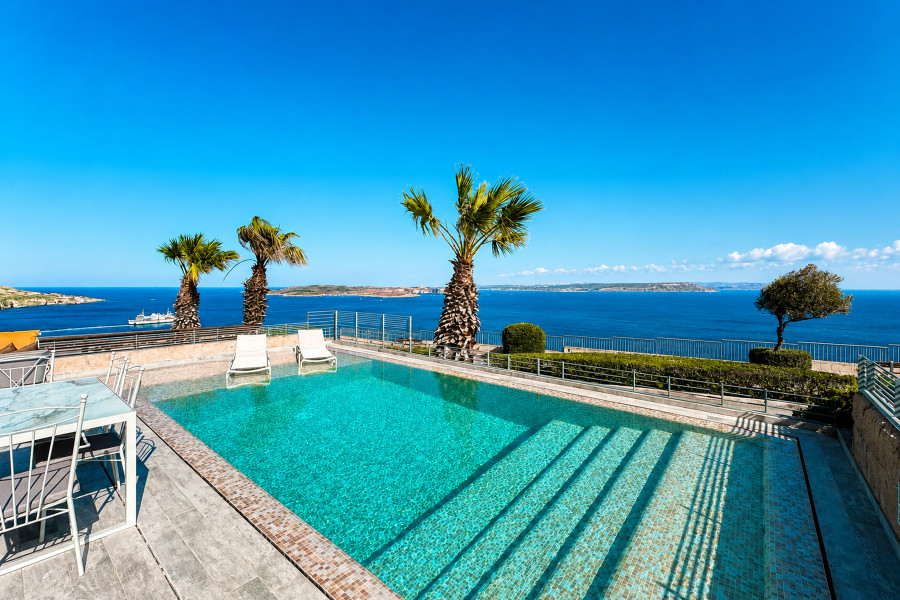
Moving to Malta from South Africa has become an increasingly attractive option for individuals and families seeking a safe and secure European destination with an exceptional quality of life. Offering a Mediterranean climate, modern infrastructure, excellent private healthcare, a thriving international business environment and convenient access to the rest of Europe, Malta provides a compelling alternative for South Africans looking to relocate, invest or establish a second home abroad.
As a member of the European Union since 2004, Malta combines the advantages of living within Europe with the familiarity of English as an official language and a legal system influenced by British traditions. The country's compact size, vibrant expatriate community and strong demand for skilled international professionals continue to attract South Africans seeking career opportunities, remote working flexibility or a more relaxed lifestyle.
Unlike citizens of countries such as Australia or Canada, South Africans are considered third-country nationals and generally require a Schengen visa, even for short visits to Malta. A tourist visa does not provide permission to live, work or settle permanently in Malta. Anyone planning to remain in Malta for more than a short stay must obtain the appropriate long-stay visa and residence authorisation before relocating.
Moving from South Africa also requires additional preparation beyond immigration matters. Prospective residents should carefully plan for SARS tax residency considerations, exchange control requirements, international money transfers, transporting pets, shipping household belongings and obtaining the necessary civil and financial documentation before departure.
Whether relocating as a skilled professional, remote worker, entrepreneur, retiree, investor or family, this guide explains everything South Africans need to know about moving to Malta, including visas, residency, taxation, employment, property ownership and everyday life.
Quick Facts for South Africans Moving to Malta
The table below highlights some of the most important considerations and legal requirements for South Africans planning a move to Malta.
|
Topic |
Key Information |
|
Short visits |
South Africans generally require a Schengen visa to visit Malta. Short-stay Schengen visa applications from South Africa are handled through VFS Global and processed by the Consulate of Italy in Johannesburg or Cape Town for visits of up to 90 days. |
|
Long stays |
Anyone remaining longer than 90 days must obtain the appropriate Malta long-stay visa or residence authorisation. |
|
Employment |
South Africans require employment authorisation, usually through Malta's Single Permit process. |
|
Remote work |
The Nomad Residence Permit may suit remote workers employed by companies or clients located outside Malta. |
|
Tax |
South Africans should obtain professional advice regarding SARS tax residency, ceasing tax residence and potential capital gains tax implications. |
|
Exchange control |
Moving funds abroad should be carefully planned through authorised dealers while complying with applicable SARS and South African Reserve Bank requirements. |
|
Property |
South Africans are non-European Union buyers and may require an Acquisition of Immovable Property (AIP) Permit before purchasing property in Malta. |
|
Driving |
Non-European Union licence holders may generally drive in Malta for up to 12 months, after which a Maltese driver’s licence will need to be obtained. South Africa is not currently included among the standard licence exchange countries. |
Visa and Residency Options for South Africans Moving to Malta
Choosing the correct immigration pathway is one of the most important decisions when planning a move to Malta from South Africa. The appropriate visa or residence route depends on the purpose of relocation, whether for employment, remote work, study, retirement, investment or joining family members already legally residing in Malta.
Short Stay Schengen Visas for South Africans
Unlike citizens of several other Commonwealth countries, South Africans generally require a Schengen visa before travelling to Malta for short visits. Short-stay Schengen visa applications for Malta are handled through VFS Global and processed by the Consulate of Italy in Cape Town or Johannesburg and allow eligible travellers to visit Malta and the wider Schengen Area for up to 90 days within any rolling 180-day period.
Many South Africans use this time to explore different neighbourhoods, view properties, visit family members, meet with estate agents, lawyers and financial advisers, visit prospective schools or conduct relocation research before making a permanent move.
Applicants should apply well in advance and ensure they have all the required documentation, including biometric information, proof of accommodation, evidence of sufficient financial means, valid travel insurance and confirmation of return or onward travel. As processing times can vary, it is generally advisable to avoid booking non-refundable flights or accommodation until visa processing timelines are clear.
While a short-stay Schengen visa provides flexibility for tourism and relocation planning, it does not permit local employment or long-term residence in Malta. South Africans intending to live or work in Malta must obtain the appropriate long-stay visa or residence authorisation before doing so.
Long Stay and Residence Routes in Malta for South African Nationals
South Africans wishing to relocate permanently or remain beyond the short stay period must apply under an appropriate residence programme.
|
Residence Route |
Best Suited For |
Summary |
|
Single Permit |
South Africans with a Maltese job offer |
Combines residence and employment authorisation for work exceeding six months. |
|
Key Employee and Specialist Employee Routes |
Highly skilled professionals |
Often used by experienced professionals working in technology, finance, healthcare, compliance, management and iGaming. |
|
Nomad Residence Permit |
Remote workers |
Suitable for individuals employed by companies or clients located outside Malta. Applicants must currently demonstrate a minimum gross annual income of €42,000. |
|
Global Residence Programme (GRP) |
Financially independent individuals |
A tax residence programme rather than a citizenship pathway. |
|
Malta Permanent Residence Programme (MPRP) |
Long term investors |
Requires qualifying property, government contributions, donations, due diligence and application fees. |
|
Student Residence |
South African students |
Available to students accepted by recognised educational institutions. |
|
Family Reunification |
Eligible family members |
Subject to relationship requirements, accommodation, income and health insurance criteria. |
Residence, permanent residence, tax residence and citizenship each have different legal meanings under Maltese law. Permanent residence granted under the Malta Permanent Residence Programme should not be confused with Maltese citizenship and does not provide entitlement to a Maltese passport.
Finding a Home in Malta
Although Malta is geographically compact, each locality offers a different lifestyle, property market and community atmosphere that South Africans should consider when choosing a location that best matches their needs.
Renting Before Buying
For most South Africans, renting a home before purchasing property is a practical approach. It provides an opportunity to become familiar with different towns, commuting times and neighbourhoods before making a significant investment.
South Africans will find that Maltese homes, particularly apartments, are generally smaller than suburban properties in South Africa. With this in mind renting becomes an excellent way to understand local housing market before purchasing. Visiting neighbourhoods at different times of the day can also provide a better understanding of traffic patterns, parking availability and the overall character of the area. When searching for rental accommodation, prospective tenants should consider:
- Fully furnished versus unfurnished properties.
- Short let and long let agreements.
- Security deposits.
- Estate agency fees.
- Air conditioning availability and electricity costs.
- Parking facilities.
- Internet availability.
- Distance from schools and workplaces.
- Construction activity nearby.
- Seasonal tourism levels that may affect traffic and noise.
Buying Property in Malta as a South African
South Africans purchasing property in Malta are classified as non-European Union buyers. In many cases, an Acquisition of Immovable Property Permit, commonly known as an AIP Permit, is required before residential property can be acquired. Certain developments known as Special Designated Areas (SDA’s) offer greater flexibility for international purchasers and third country nationals do not require an AIP Permit when purchasing property in SDA’s .
A typical property purchase begins with a Promise of Sale Agreement known as a Konvenju, followed by a period of legal due diligence conducted by a Maltese notary before the final transfer of ownership takes place. Buyers should budget for stamp duty, notarial fees, legal expenses, property valuation costs, mortgage-related charges where applicable and the source-of-funds checks required as part of the transaction.
South Africans should pay particular attention to the practicalities of transferring funds from South Africa for a property purchase. Planning international transfers well in advance, understanding any applicable exchange-control requirements, tax implications and maintaining comprehensive source-of-funds documentation can help prevent unnecessary delays.
Those intending to purchase property as part of long-term residence planning, including applications under the Malta Permanent Residence Programme (MPRP), should obtain independent legal, tax and financial advice before committing to a purchase.
Best Areas to Consider
Choosing where to live in Malta largely depends on your lifestyle, work commitments and long-term plans. Professionals and remote workers are often drawn to Sliema and St Julian's for their modern apartments, waterfront setting and easy access to Malta's main business districts. Those who appreciate heritage and city living may prefer Valletta or the neighbouring Three Cities, while families often gravitate towards Naxxar, Lija, Balzan and Attard for their established residential communities and convenient access to schools.
Buyers seeking luxury villas and larger homes frequently consider Madliena and Mellieħa, whereas St Paul's Bay, Bugibba and Qawra are well known for their established expatriate communities. For a quieter coastal lifestyle, Marsaskala and southern Malta are worth considering, while Gozo remains a popular choice for retirees.
Cost of Living, Work and Remote Work for South Africans in Malta
Relocating from South Africa to Malta involves adjusting to a different cost of living, employment market and way of life. While Malta offers many lifestyle advantages, including excellent safety, modern infrastructure and convenient access to Europe, it is important to approach financial planning with realistic expectations. Costs can vary considerably depending on where someone lives, whether they rent or purchase property and the currency in which they earn their income.
Cost of Living: South Africa vs Malta
For most South Africans, living in Malta is generally more expensive when comparing costs in South African Rand against the Euro. Although salaries in sectors such as iGaming, technology and financial services may help offset higher living expenses, careful budgeting is often essential during the initial stages of relocation.
Accommodation is typically the largest monthly expense. Rental prices in sought-after areas such as Sliema, St Julian's, Valletta, Madliena and Mellieha are considerably higher than those in many South African suburbs. Apartments are also generally smaller than the freestanding homes commonly found in Johannesburg, Pretoria, Durban and Cape Town, with larger properties attracting a significant premium. Other important cost considerations include:
- Larger homes, villas, swimming pools, garages and generous outdoor entertainment areas generally command higher prices than apartments.
- Electricity costs can increase noticeably during the summer months due to regular air-conditioning use.
- Imported food products and familiar South African brands may be limited or more expensive than locally available alternatives.
- Dining options range from affordable neighbourhood restaurants to premium waterfront establishments, allowing for a variety of budgets.
- Public transport is widely available, although many families still prefer the convenience of owning a car depending on where they live and work.
South Africans relocating from affluent areas such as Sandton, Stellenbosch or parts of Cape Town may find some costs broadly comparable, while those moving from smaller cities or regional areas are likely to experience a more noticeable increase in everyday living expenses.
For remote professionals and business owners earning in Euros, Pounds Sterling or United States Dollars, the financial picture can be very different. Receiving income in a stronger foreign currency may provide significantly greater purchasing power than earning solely in South African Rands.
Finding Work in Malta as a South African
Malta has become an established destination for international professionals, with strong demand for skilled workers across several sectors of its economy. South Africans with recognised qualifications, specialist expertise or international experience may find opportunities in a range of industries, particularly where local skills shortages exist. Key employment sectors include:
- Technology and digital industries, including software development, cybersecurity and iGaming.
- Financial and corporate services, including financial services, compliance, anti-money laundering (AML) and insurance.
- Transport and infrastructure, including aviation and maritime services.
- People-focused industries, including hospitality, healthcare and education.
- Property and professional services, including construction, real estate and business services.
As third-country nationals, South Africans generally need a formal job offer from a company registered and operating in Malta before applying for a residence permit. In most cases, the employer supports the application for a Single Permit, which combines employment authorisation and residence approval into a single process. Highly skilled professionals may also qualify for specialist employment routes aimed at attracting experienced international talent in sectors facing ongoing skills shortages.
South Africans who obtain a Maltese residence permit may, depending on their immigration status and personal circumstances, be able to apply for eligible family members to join them under Malta's family reunification provisions. Eligibility generally depends on factors such as the family relationship, accommodation arrangements, financial resources and health insurance. As requirements vary between residence routes, applicants should confirm the applicable criteria before making relocation plans.
Remote Work for South Africans in Malta
Remote working has become an increasingly popular pathway for South Africans relocating to Malta. The country's reliable internet infrastructure, English speaking business environment and central European location make it an attractive base for freelancers, consultants and employees working for overseas organisations.
Unlike Australians or Canadians, South Africans benefit from relatively compatible business hours. Malta is generally one hour behind South Africa during the European summer (Central European Summer Time) and the same time as South Africa during the European winter (Central European Time). This means collaborating with colleagues and clients in either country is usually straightforward, with little or no adjustment to standard working hours.
The Nomad Residence Permit is specifically intended for individuals working for employers, clients or businesses located outside of Malta. It should not be confused with local employment, as it does not authorise the holder to work for a Maltese employer.
Tax, SARS and Exchange Control when Relocating to Malta from South Africa
Relocating from South Africa to Malta involves more than changing your country of residence. Tax residency, exchange control, international banking and currency movements can all have significant financial implications, making professional advice an important part of the relocation process before any major decisions are made.
SARS Tax Residency
Leaving South Africa does not automatically end your South African tax residency. SARS considers a range of factors when determining whether an individual remains tax resident, including whether they are still ordinarily resident in South Africa, whether they meet the physical presence test, or whether a Double Tax Agreement allocates tax residency to another country.
For many South Africans, this means considering ongoing ties such as family connections, residential property, business interests, retirement savings, trusts and South African-sourced income. Where South African tax residency ceases, a deemed disposal of certain worldwide assets may trigger capital gains tax, commonly referred to as exit tax.
Financial Emigration and Exchange Control
The term financial emigration is still widely used, but it no longer determines a person's tax residency. Instead, the focus is on whether South African tax residency has ceased under current SARS legislation. Exchange control rules nevertheless remain relevant when transferring money abroad.
South Africans moving to Malta should ensure international transfers are made through authorised dealers and, where required, comply with applicable South African Reserve Bank and SARS requirements. This is particularly important when transferring funds for property purchases or other significant investments in Malta.
Currency planning is also worth considering. Fluctuations between the South African Rand and the Euro can materially affect relocation costs, ongoing living expenses and purchasing power, especially when moving substantial amounts of capital.
Malta Tax Residence
Tax residence in Malta is determined by the facts of each case rather than nationality alone. Factors such as the amount of time spent in Malta, an individual's intention to reside there, domicile and the source of their income all play a role. Holding a Maltese residence permit does not automatically create Maltese tax residency, nor does becoming tax resident in Malta automatically end South African tax residency.
South Africa-Malta Double Tax Agreement
South Africa and Malta have concluded a Double Tax Agreement designed to reduce the risk of the same income being taxed twice. Depending on an individual's circumstances, the agreement may apply to employment income, business profits, pensions, dividends, interest, royalties and certain capital gains. Anyone relocating between the two countries should obtain advice on how the treaty applies to their personal tax position before making significant financial or investment decisions.
Taking Care of Healthcare, Schools, Pets and Shipping Your Belongings to Malta from South Africa
Relocating to Malta involves more than securing the correct residence permit. Healthcare, education, pet relocation and transporting personal belongings all require advance planning to ensure the move is as straightforward as possible.
Healthcare
South Africans should not assume that their existing medical aid will meet Maltese immigration requirements. While some schemes like Discovery provide limited international benefits upon request, Maltese residence applications generally require private health insurance that complies with Maltese regulations. For many employment-based residence routes, applicants must hold health insurance providing a minimum of €100,000 in medical and hospitalisation cover.
Malta has a well-established public and private healthcare system, with English widely spoken by medical professionals. Before relocating, it is advisable to obtain copies of medical records, specialist reports where applicable and sufficient prescription medication for the initial relocation period. Anyone receiving ongoing treatment should also confirm whether equivalent medication is available in Malta and identify nearby doctors, pharmacies and hospitals before arrival.
Education
Families relocating from South Africa can choose between Malta's state, church, independent and international schools, with English used extensively throughout the education system. Many independent and international schools follow a British-influenced curriculum, making the transition relatively familiar for children from South African schools.
Parents should research admission requirements, waiting lists, school fees where applicable, transport arrangements and any differences between the Maltese and South African academic calendars. It is worth noting that, while many Maltese schools offer after-school care, on-site extracurricular activities are generally less extensive than those commonly available at South African schools. Applying early is particularly important for popular independent and international schools, where places can fill quickly.
Bringing Pets to Malta
Moving pets from South Africa is generally more complex than relocating them from within the European Union and requires careful preparation well in advance. Depending on the animal and travel arrangements, owners may need an ISO-compliant microchip, a valid rabies vaccination, rabies antibody titre test, an EU Animal Health Certificate, South African State Veterinarian certification, advance notification to the Maltese authorities, and the necessary airline and transit approvals.
Prospective owners should also be aware that Malta has introduced restrictions on non-pedigree bully-type dogs. The regulations apply to dogs displaying the characteristics of breeds including the American Staffordshire Terrier, Staffordshire Bull Terrier, Bullmastiff, Dogo Argentino, Bull Terrier, American Bully, American Pit Bull Terrier, Old English Bulldog, American Bulldog, English Bulldog, French Bulldog, Miniature Bull Terrier, Cane Corso, Dogue de Bordeaux, Presa Canario, Neapolitan Mastiff, Boston Terrier, Tibetan Mastiff and the South African Boerboel.
While pedigree dogs recognised by an approved kennel club may still be imported and kept, the breeding, sale, advertisement, importation and keeping of non-pedigree bully-type dogs are subject to strict legal restrictions. Owners of these breeds should confirm the latest requirements with the Maltese authorities before making travel arrangements.
Because veterinary procedures, import requirements and airline regulations are highly regulated, many families choose to work with specialist pet relocation companies to help manage the process and ensure all documentation is completed correctly.
Shipping Household Belongings
Many long-term rental properties in Malta are offered fully furnished, meaning shipping an entire household is often unnecessary. Sea freight is generally the most economical option for larger consignments, while air freight is better suited to essential personal belongings needed shortly after arrival.
Before arranging shipment, it is advisable to prepare a detailed inventory, arrange appropriate transit insurance and confirm customs requirements. Prospective movers should also consider whether larger South African furniture will be practical in Malta's generally smaller apartments and townhouses.
South Africans planning to ship decorative items or household décor containing animal or natural materials should check European Union import requirements well in advance. Items such as animal hides, rugs made from wildlife species, mounted horns, taxidermy, ivory products, certain wooden carvings and artefacts containing skins, feathers or bone may be subject to additional documentation requirements or restrictions depending on the material, species and origin.
Importing a vehicle from South Africa can also be expensive and administratively complex, making it more practical for many new residents to purchase or lease a vehicle after settling in Malta.
Driving and Getting Around in Malta with A South African Driver's Licence
One practical advantage for South Africans is that both South Africa and Malta drive on the left-hand side of the road, making the transition easier than it is for many international arrivals. Even so, driving conditions differ considerably. Roads are often narrower than those found in South Africa, traffic can be heavy in busy urban areas and parking is limited in many of Malta's most popular towns.
South Africans may generally drive in Malta using a valid South African driving licence for up to 12 months from their last date of entry into Malta. After this period, South African licences cannot be exchanged directly for a Maltese driving licence. Drivers wishing to continue driving must complete Malta's standard licensing process, which includes obtaining a learner's permit and passing both the theory and practical driving tests.
Although many residents choose to own a car, Malta also has an extensive public transport network. Regular bus services operate across the islands, ferries connect Valletta with neighbouring waterfront communities, and taxis and ride-hailing services are widely available. For those living and working in central areas, owning a vehicle may not be necessary.
Moving to Malta as a South African with Family or for Retirement
Malta appeals to South Africans across different life stages, from professionals relocating with families to retirees seeking a warmer climate, an English-speaking environment and a more relaxed pace of life. Whether moving for work, family or retirement, understanding the practical requirements for each household member is essential.
Moving with Family
Families relocating to Malta should consider residence requirements, schooling, healthcare and accommodation as part of the relocation process. Dependants may be eligible to join the main applicant under Malta's family residence provisions, although requirements vary depending on the residence route and individual circumstances. Key considerations include arranging the necessary documentation for children, including passports, birth certificates and any required parental consent documents, particularly where one parent relocates separately.
Families should also research school admissions, childcare options, healthcare arrangements and neighbourhoods that offer suitable housing and access to everyday amenities. Areas such as Attard, Balzan, Lija and Naxxar are popular with many families due to their residential character, proximity to schools and convenient access to essential services.
Retiring in Malta from South Africa
Malta continues to attract South African retirees seeking a Mediterranean lifestyle combined with English-language services, quality healthcare and access to Europe. However, choosing the right residence option requires careful consideration of financial circumstances, tax implications and long-term goals.
The Global Residence Programme (GRP) and the Malta Permanent Residence Programme (MPRP)serve different purposes, with one focused on a qualifying tax residence route and the other providing a permanent residence pathway. Understanding the differences between these options is important before making any long-term commitments.
South African retirees should also consider pension and retirement annuity planning, private healthcare cover, access to pharmacies and medical facilities, estate planning where assets remain in both countries, and whether renting before purchasing property would be beneficial.
Many retirees are drawn to Gozo, Malta's sister island, where quieter communities, scenic surroundings and a slower pace of life provide an attractive alternative to the busier urban areas of Malta.
Practical Relocation Checklist for South Africans Moving to Malta
Moving from South Africa to Malta involves immigration, financial and practical preparations. Completing key tasks before departure and after arrival can help avoid unnecessary delays and ensure important requirements are addressed.
Before Leaving South Africa for Malta
Before relocating, prospective residents should:
- Confirm the appropriate Malta residence route and whether a Schengen visa is required for initial travel.
- Ensure passports remain valid for the intended period of travel.
- Gather civil documentation, including birth certificates, marriage certificates, police clearance certificates and supporting family documents where required.
- Consult SARS and international tax advisers regarding tax residency, exit tax considerations and ongoing South African obligations.
- Review exchange control requirements and plan South African Rand to Euro currency transfers.
- Arrange compliant private health insurance.
- Decide whether to rent before purchasing property.
- Submit school applications where applicable.
- Begin pet relocation preparations well in advance.
- Obtain shipping quotations and prepare any required customs documentation.
After Arriving in Malta
Once settled in Malta, new residents should:
- Complete residence permit formalities.
- Finalise long-term accommodation arrangements.
- Open a Maltese bank account where required.
- Arrange utilities, internet and other household services.
- Register children with their chosen schools.
- Identify suitable healthcare providers, pharmacies and medical facilities.
- Confirm driving licence requirements with the relevant authorities.
- Keep copies of residence documents, tax records and important immigration paperwork.
Taking care of these practical steps early can make the first stages of settling into Malta considerably easier and help new residents focus on establishing their new life on the island.
For South Africans, key considerations such as residence requirements, SARS tax obligations, exchange control, healthcare, schooling and property decisions all form part of the relocation journey. Understanding these requirements early can help create a more seamless transition and ensure important decisions are made with the right information.
Malta Sotheby’s International Realty works alongside a trusted network of relocation specialists, tax advisers and legal professionals to help clients access the support they need when moving to Malta. Whether you are looking for a family residence, investment opportunity or long-term home, the team provides tailored property solutions backed by extensive local market knowledge.
For personalised property assistance and relocation support, contact Malta Sotheby’s International Realty on +356 2010 8077, visit www.maltasothebysrealty.com, or meet the team at their offices in Portomaso Marina or Tigné Point Pjazza.