Moving to Malta from Australia: What Australians Need to Know
8th September 2026
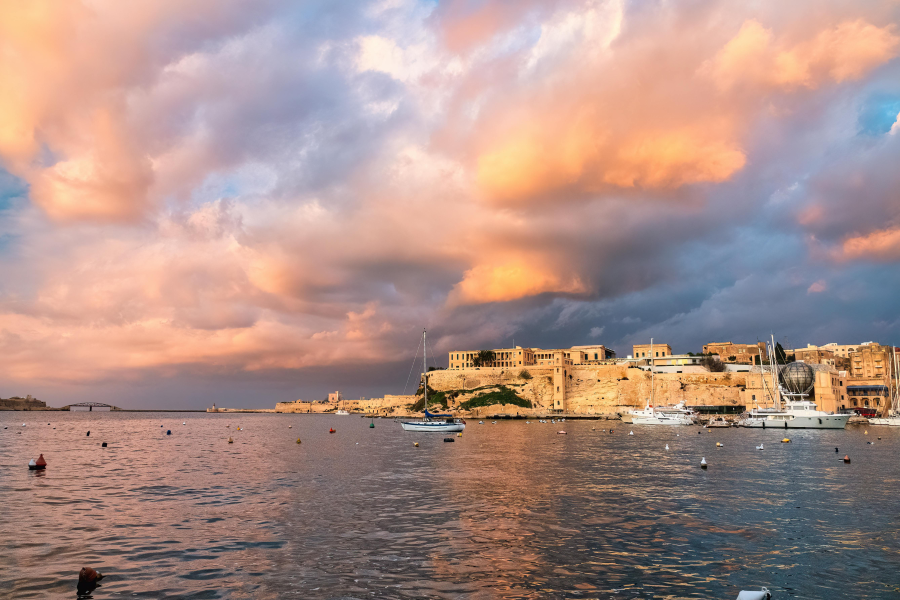
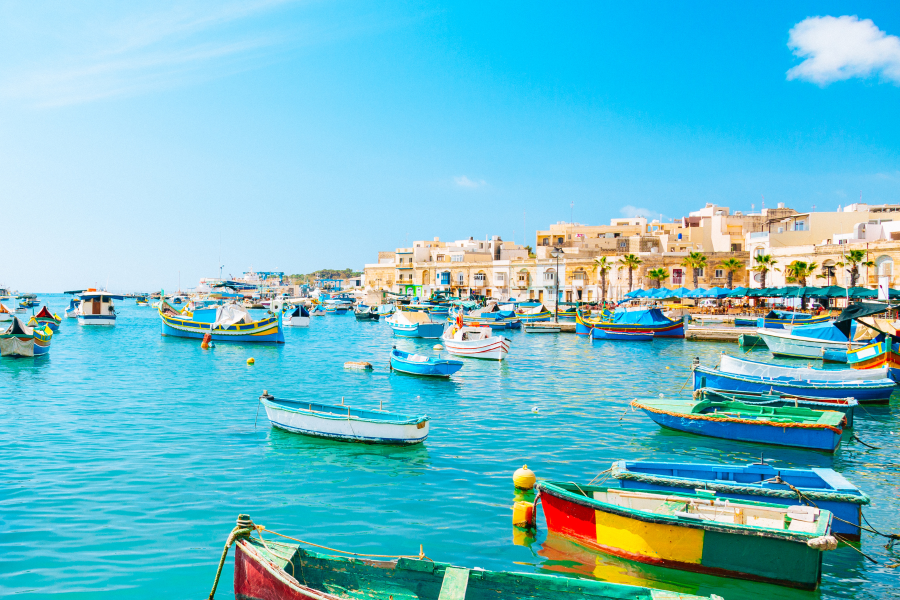
Moving to Malta from Australia offers the opportunity to enjoy a Mediterranean lifestyle while remaining in an English-speaking environment with strong historical ties to the Commonwealth. With its sunny climate, strategic location within Europe, excellent safety record, thriving international business sectors and welcoming expatriate community, Malta continues to attract Australians looking for a new place to live, work, retire or invest.
Whether planning to relocate permanently, spend part of the year overseas or establish a European base, Malta offers a range of residence options to suit different lifestyles. Australian professionals are drawn by opportunities in sectors such as financial services, technology, aviation and iGaming, while retirees appreciate the relaxed pace of life, quality healthcare and favourable climate. Australian families value Malta's English language education system, and remote workers increasingly see the island as an attractive destination for balancing work and lifestyle.
Australians should remember that they are considered non-European Union, or third country, nationals when moving to Malta. Although Australian passport holders can visit Malta and the wider Schengen Area without a visa for short stays, a tourist visit does not provide the legal right to live, work or settle permanently in Malta. Australians intending to remain beyond the permitted short stay period must apply for the appropriate residence route before establishing long-term residence.
This guide explains everything Australians need to know about moving to Malta from Australia, including visa and residency options, taxation, property ownership, healthcare, education, employment, banking and practical relocation advice.
Quick Facts for Australians Moving to Malta
Planning a successful relocation begins with understanding the key legal and practical requirements. The table below provides a quick overview of the most important information Australians should know before relocating to Malta.
|
Topic |
Key Information |
|
Short stays |
Australians can visit Malta and the Schengen Area without a visa for up to 90 days within any 180-day period. |
|
Long stays |
A Maltese residence permit is required for any Australians wishing to remain beyond the short stay allowance. |
|
Employment |
Australians generally require employment authorisation through a Single Permit to work for a Maltese employer. |
|
Remote work |
The Nomad Residence Permit may suit Australians working remotely for employers, clients or businesses outside of Malta. |
|
Tax |
Australian tax obligations depend on tax residency rather than citizenship alone. |
|
Property |
Australians are considered non-EU buyers and may require an Acquisition of Immovable Property (AIP) Permit unless an exemption applies, such as buying property in a Special Designates Area (SDA). |
|
Driving |
Australian driving licences may be exchanged for a Maltese licence once residence requirements have been met. |
|
Healthcare |
Private health insurance is typically required as part of most residence permit applications. |
Visa and Residency Options for Australians
Australians relocating to Malta have several immigration pathways available depending on their circumstances. The correct option will depend on whether the move is for employment, remote work, retirement, study, investment or joining family members already living in Malta. Selecting the appropriate residence route at the outset can help avoid delays and ensure compliance with Maltese immigration requirements.
Short Stays in Malta
Australian passport holders can enter Malta and the wider Schengen Area without obtaining a visa for visits of up to 90 days within any rolling 180-day period. It is important to remember that time spent in any other Schengen country counts towards the same 180-day allowance.
Many Australians use this initial visit to explore Malta before committing to a permanent relocation. Spending time on the island allows prospective residents to compare different towns and neighbourhoods, gain a better understanding of the local lifestyle and decide which areas best suit their personal or professional needs.
It is also an ideal opportunity to view rental and purchase properties, visit schools, meet estate agents, lawyers and financial advisers, explore employment opportunities, attend business meetings and organise many of the practical aspects of relocating to Malta.
Although visa-free travel provides an excellent opportunity to research a potential move, it does not grant permission to live in Malta indefinitely or undertake local employment. Australians intending to work in Malta must obtain the appropriate employment authorisation before commencing work.
Long Stay and Residence Routes
Malta offers several residence pathways for Australians depending on the purpose of their stay, whether they are relocating for employment, remote work, study, retirement, investment or family reasons. The most common residence options are summarised below.
|
Residence Route |
Best Suited For |
Summary |
|
Single Permit |
Australians with a Maltese job offer |
Combines the employment licence and residence permit into a single application. |
|
Key Employee and Specialist Employee Routes |
Skilled and senior Australian professionals |
Often used by professionals working in finance, technology, gaming, compliance and management roles. |
|
Nomad Residence Permit |
Australian remote workers |
Designed for individuals employed by, or providing services to, companies based outside Malta. Applicants must currently demonstrate a minimum gross annual income of €42,000. |
|
Global Residence Programme (GRP) |
Financially independent Australians |
A tax residence programme for qualifying applicants. It is not a pathway to Maltese citizenship. |
|
Malta Permanent Residence Programme (MPRP) |
Australians seeking long-term residence by investment |
Requires qualifying property, a government contribution, a charitable donation, application fees and comprehensive due diligence checks. |
|
Student Residence |
Australian students |
Available to students accepted by recognised educational institutions in Malta. |
|
Family Reunification |
Family members of legal residents |
Eligibility depends on the family relationship, accommodation arrangements, financial resources and health insurance requirements. |
It is important to note that residence, permanent residence, tax residence and citizenship are separate legal concepts under Maltese law. Holding one status does not automatically provide entitlement to another, and each pathway has its own eligibility criteria, rights and obligations.
Australians wishing to relocate to Malta should ensure they understand the legal implications of the route they intend to pursue before submitting an application. Professional Advice is highly recommended.
Finding a Home in Malta
Choosing where to live is one of the most significant decisions when relocating to Malta from Australia. While the island is geographically small, each locality offers a distinct atmosphere, housing market and lifestyle. Taking time to understand these differences can help newcomers find a location that aligns with their professional, family and personal priorities.
Renting Before Buying
For most Australians, renting initially is the most sensible approach. Malta's towns and villages each offer a distinct lifestyle, so spending several months on the island gives newcomers the opportunity to experience different neighbourhoods before committing to a long-term property purchase.
Most long-let properties are offered fully furnished, making relocation significantly easier for those arriving from overseas. Rental agreements differ between short lets and long-lets, with longer contracts generally providing greater stability and more competitive monthly rental rates. Before signing a lease, tenants should understand the security deposit requirements, any applicable estate agency fees and which utility costs are included in the agreement. It is also worth confirming the availability and running costs of air conditioning, internet installation and parking, as these can vary considerably between properties.
Location should be considered just as carefully as the property itself. Prospective tenants should assess commuting times to work or school, proximity to shops, healthcare facilities and seafront areas, while also considering nearby construction activity, seasonal tourism and noise levels. Many Australian families find it helpful to visit a neighbourhood at different times of the day before signing a lease, particularly in busy coastal towns where traffic and parking conditions can change significantly during the summer months.
Buying Property as an Australian
Australians purchasing property in Malta are classified as non-European Union buyers. Under Maltese law, individuals who are not citizens of an EU member state generally may not acquire immovable property unless they have been granted an Acquisition of Immovable Property (AIP) Permit, unless a recognised exemption applies.
One of the most common exemptions relates to Special Designated Areas, where foreign buyers can purchase property without having to apply for an AIP permit and are granted all the same property rights as a Maltese citizen. These developments are popular with international purchasers seeking greater flexibility when investing in Maltese real estate.
The purchasing process typically begins with a Promise of Sale Agreement - known as a Konvenju in Malta - after which a Maltese notary undertakes legal due diligence, conducts title searches and oversees the transfer of ownership. Buyers should also budget for stamp duty, notarial and legal fees, property valuation costs and, where applicable, mortgage-related expenses. Financial institutions will also carry out source of funds verification as part of their regulatory obligations.
Australians intending to purchase property as part of an application under the Malta Permanent Residence Programme (MPRP) should ensure the property satisfies the programme's requirements before proceeding. Independent legal and tax advice is strongly recommended to confirm eligibility, understand the full costs of the transaction and ensure compliance with both Maltese property law and the relevant residence programme.
Best Areas to Consider
Malta offers a diverse range of residential locations to suit different lifestyles and priorities. Sliema and St Julian's remain popular with professionals and remote workers thanks to their thriving commercial districts, seafront location and vibrant lifestyle. Valletta and the Three Cities appeal to buyers drawn to history, culture and beautifully restored heritage properties.
Naxxar, Lija, Balzan and Attard are well suited to families seeking quieter residential communities with larger homes and convenient access to schools. Madliena and Mellieha are particularly popular with luxury villa buyers, whereas established expatriate communities can be found in St Paul's Bay, Bugibba and Qawra. Those looking for a quieter coastal lifestyle may prefer Marsaskala and southern Malta. Gozo, Malta's sister island, continues to attract retirees and lifestyle buyers seeking more space, tranquillity and a slower pace of life.
Cost of Living, Work and Daily Practicalities
Understanding the cost of living and day-to-day life in Malta is essential before making the move from Australia. While Malta is often perceived as an affordable European destination, living expenses can vary significantly depending on location, lifestyle and housing choices. Australians should also consider employment opportunities, transport, commuting and the practical realities of living on a small Mediterranean island.
Cost of Living: Australia vs Malta
Comparing the cost of living in Malta with Australia is not always straightforward. While some everyday expenses may be lower than in major Australian cities, others can be surprisingly comparable or even more expensive. The overall cost of living depends largely on where someone currently lives in Australia and the lifestyle they intend to maintain after relocating.
Australians moving from cities such as Sydney or Melbourne may find that certain costs, including dining out, public transport and some professional services, compare favourably in Malta. However, those relocating from Brisbane, Perth, Adelaide or regional Australia may notice a smaller difference in overall living expenses, particularly once housing and imported goods are taken into account.
Accommodation remains one of the largest expenses. Prime locations such as Sliema, St Julian's, Valletta, Madliena and Mellieha command some of the highest rental prices on the island. Apartments are also generally smaller than the detached homes many Australians are accustomed to, particularly in urban areas where space is limited. Beyond accommodation, Australians should also budget for several ongoing living expenses and practical considerations, including:
- Electricity and utilities: Electricity bills can increase considerably during the warmer months due to regular air conditioning use, making seasonal utility costs an important part of any relocation budget.
- Imported goods: Australian products, imported food and many international brands often carry premium prices compared with locally produced alternatives.
- Transport: Malta has an extensive and affordable public transport network, although many families still choose to own a car depending on where they live, work or send their children to school.
- Dining out: Malta offers a wide variety of restaurants, ranging from affordable local eateries to premium waterfront dining experiences, allowing residents to choose options that suit their budget and lifestyle.
- Travel to Australia: Flights between Malta and Australia are lengthy and typically require connections through major international hubs such as Dubai, Doha, Istanbul, Singapore, London or Rome, making regular trips home a significant financial consideration.
Rather than assuming Malta is universally cheaper than Australia, prospective residents should prepare a personalised budget based on their expected housing costs, transport requirements and day-to-day lifestyle preferences.
Finding Work in Malta as an Australian
Malta has developed into one of Europe's most international employment markets, attracting professionals from around the world. Its diversified economy creates opportunities across a wide range of industries, making it an attractive destination for skilled Australians seeking overseas careers. Some of the country's strongest employment sectors include:
- Technology and digital industries, including iGaming, software development and cybersecurity, which continue to drive much of Malta's international recruitment.
- Financial and professional services, including financial services, compliance, risk management, insurance and wider business advisory roles and professional services.
- Specialist industries, such as aviation and maritime services, where Malta has established itself as an important international hub.
- People-focused sectors, including healthcare, education, tourism and hospitality, which continue to experience demand for skilled professionals.
Australians seeking local employment should remember that they are classified as third-country nationals. In most cases, the process begins with securing a formal job offer from a Maltese employer. The employer will then typically support the application for a Single Permit, which combines employment authorisation and a residence permit into a single application process.
Highly qualified professionals working in specialist industries, particularly technology, finance, compliance and senior management, may also qualify for dedicated employment pathways designed to attract internationally skilled talent.
Remote Work Opportunities
Remote work has become an increasingly popular reason for Australians to relocate to Malta. The island's reliable internet infrastructure, English-speaking business environment and central European location make it an appealing base for digital professionals serving international clients.
The Nomad Residence Permit is specifically intended for individuals employed by companies outside Malta or those operating businesses and providing freelance services to clients abroad. It is important to distinguish this permit from local employment, as a Nomad Residence Permit does not authorise the holder to work for a Maltese employer.
For Australians serving European clients, Malta offers convenient business hours and straightforward access to markets across Europe. However, those who continue working primarily with Australian employers, clients or businesses should carefully consider the significant time difference.
Depending on the season, Malta is typically 6 to 7 hours behind Perth, 8 to 10 hours behind Sydney, Melbourne and Canberra, and 8.5 to 10.5 hours behind Adelaide. Maintaining Australian business hours may therefore require working late evenings, overnight or very early mornings.
Tax, Banking and Financial Planning
Financial planning is one of the most important aspects of moving to Malta from Australia. An international relocation can affect tax obligations, banking arrangements, investment planning, superannuation and currency exposure. Before making the move, Australians should seek professional advice to understand how their circumstances may be affected under both Australian and Maltese tax rules.
Australian Tax Residency
Moving overseas does not automatically end Australian tax obligations. The Australian Taxation Office advises that Australians relocating abroad may need to determine their tax residency, and those who remain Australian tax residents while living overseas may still be required to lodge Australian tax returns and report their worldwide income. When assessing tax residency, several factors may be taken into account, including:
- Whether the move is temporary or permanent.
- Ongoing family and home ties in Australia.
- Ownership of Australian residential property.
- Superannuation arrangements.
- Business interests or company ownership.
- Australian-sourced employment or investment income.
- Capital gains tax implications.
- Investment property income and withholding tax obligations.
Individuals who become non-residents for Australian tax purposes may instead be taxed differently on Australian-sourced income.
Malta Tax Residence
Tax residence in Malta is determined by a range of factual circumstances rather than nationality alone. Factors such as the amount of time spent in Malta, an individual's intention to establish residence, domicile status and the source of their income may all influence their tax position. It is important to understand that immigration residence, tax residence, permanent residence and citizenship are separate legal concepts.
Australia and Malta’s Double Tax Agreement
Australia and Malta have entered into a Double Tax Agreement designed to reduce the risk of the same income being taxed in both countries. Depending on an individual's circumstances, the agreement may apply to:
- Employment income.
- Business profits.
- Pension income.
- Dividends.
- Interest.
- Royalties.
- Certain capital gains.
The application of the agreement depends on an individual's tax residency and the nature of their income. Australians relocating to Malta should seek advice from qualified tax professionals in both jurisdictions to ensure they understand their obligations before making significant financial decisions.
Banking and Currency Considerations for Australians Moving to Malta
Opening a Maltese bank account is often an important step after arrival, particularly for individuals receiving a local salary, paying rent or applying for a mortgage. Banks typically carry out comprehensive due diligence, including identity verification, proof of residence and source of funds checks before approving new accounts or lending applications.
Many Australians also choose to keep their existing Australian bank accounts, especially if they continue receiving Australian income, hold investments or maintain financial commitments in Australia. Currency planning is equally important, as fluctuations between the Australian Dollar and the Euro can affect savings, regular international money transfers and the overall cost of purchasing property.
Australians intending to finance a home in Malta should also familiarise themselves with the lending criteria and documentation requirements for foreign buyers before applying for a mortgage. Careful financial planning before departure can help simplify the relocation process and reduce unnecessary costs once settled in Malta.
Healthcare, Schools, Pets and Shipping
Healthcare, education, pet relocation and transporting personal belongings all require careful planning before leaving Australia. Addressing these practical considerations early can help make the transition to life in Malta considerably smoother.
Healthcare
Australians should not assume that Medicare coverage extends to healthcare received in Malta. Private health insurance is usually essential, particularly when applying for a Maltese residence permit. For employment-based residence applications, Identità Malta requires health insurance with minimum medical and hospitalisation cover of €100,000 for Single Permit applications.
Malta offers both public and private healthcare services and has a strong reputation for high-quality medical care, with English widely spoken by healthcare professionals. Before relocating, Australians should also take time to prepare by:
- Obtaining copies of their medical records.
- Bringing sufficient prescription medication for the initial relocation period.
- Confirming whether Australian medications have equivalent alternatives in Malta.
- Identifying nearby pharmacies, clinics and hospitals.
- Reviewing appropriate health insurance options for spouses, children and retirees.
Preparing healthcare arrangements before departure can help minimise disruption during the first weeks of settling into Malta.
Education
Families relocating from Australia will find a range of education options, including state schools, church schools and independent schools. State schools are accessible to all students, while church and independent schools each have their own admission processes and eligibility requirements.
Malta is also home to several international schools, many of which follow a British-influenced curriculum that may feel familiar to Australian families.
Parents should research enrolment requirements well in advance, as popular schools often have waiting lists. It is also worth considering school fees where applicable, transport arrangements, language of instruction and the location of the school relative to the family home. Families should bear in mind that Malta's academic calendar and school year may differ from those in Australia, making early planning particularly important.
Pets
Australians planning to bring pets to Malta should begin preparations several months before departure. International pet relocation requires careful planning and compliance with veterinary, airline and customs regulations. Requirements generally include ISO compliant microchipping, a valid rabies vaccination, a European Union Animal Health Certificate, export documentation and compliance with airline and transit country requirements. Dogs may also require tapeworm treatment before entering Malta. Pet owners should also consider Australia's strict biosecurity requirements if there is any possibility that their pet will return in the future. Using an experienced pet relocation specialist can often simplify the process and help ensure all documentation is completed correctly.
Shipping Personal Belongings
Many Australians find that they do not need to relocate the contents of an entire household. As many long-let properties in Malta are already fully furnished, transporting only essential personal belongings can often be the more practical and cost-effective option. Sea freight is generally best suited to larger household shipments, while air freight is often the preferred choice for essential items needed shortly after arrival.
Before arranging shipment, Australians should prepare a detailed inventory, obtain appropriate transit insurance, confirm customs documentation requirements and consider whether larger furniture will be suitable for Malta's generally smaller homes and apartments. Careful planning can reduce moving costs while making the overall relocation process far more straightforward.
Driving and Getting Around in Malta as an Australian National
One practical advantage Australians enjoy when relocating to Malta is that both countries drive on the left-hand side of the road. While this makes the transition easier than it is for many other international newcomers, driving in Malta still presents its own challenges. Roads are often narrower than those in Australia, traffic can become congested in busy urban areas, and parking may be limited, particularly in popular coastal towns.
Non-European Union driving licence holders can legally drive in Malta for up to 12 months from their last entry into the country, at which time a Maltese licence will need to be obtained. However, Australian driving licences are recognised by Transport Malta as exchangeable for a Maltese driving licence, provided the applicant meets the applicable residence requirements. Evidence of at least 185 days of residence is generally required when applying for a licence exchange.
Although many residents choose to own a vehicle, Malta also offers a range of transport alternatives, including an extensive public bus network, ferries connecting Valletta with neighbouring waterfront communities, taxis, ride-hailing services and regular ferry services between Malta and Gozo. Depending on where someone lives and works, owning a car may not always be necessary.
Moving to Malta with Family or for Retirement from Australia
Whether relocating with children or planning retirement overseas, Australians should consider how their choice of residence route, accommodation, healthcare and long-term financial planning will support their lifestyle in Malta.
Moving with Family
Families relocating to Malta often find that securing school places, suitable accommodation and residence documentation are among the first priorities. Choosing a home close to schools, healthcare facilities and everyday amenities can make the transition significantly easier for both parents and children. Parents should consider:
- Applying for schools as early as possible.
- Researching childcare options where required.
- Understanding residence routes for dependent family members.
- Arranging appropriate private health insurance.
- Choosing larger homes in family-friendly communities.
- Preparing passports, birth certificates and supporting documents for minor children.
- Planning future travel between Malta and Australia.
- Helping children adjust to a different school system, culture and pace of life.
Attard, Balzan, Lija and Naxxar are popular with many families thanks to their quieter residential character, larger homes and convenient access to schools and essential services.
Retiring in Malta from Australia
Malta continues to attract Australian retirees seeking a warmer climate, an English-speaking environment and a relaxed Mediterranean lifestyle. Rretirees should carefully assess the residence route that best suits their circumstances, together with their long-term healthcare, pension and estate planning needs. Key considerations include:
- Whether the Global Residence Programme (GRP) or Malta Permanent Residence Programme (MPRP) is the most appropriate option.
- Australian pension and superannuation planning.
- Healthcare and comprehensive private medical insurance.
- Renting before purchasing property.
- Access to pharmacies, hospitals and specialist healthcare.
- Accessibility considerations, particularly in older buildings that may have stairs or limited lift access.
Many retirees also choose to explore Gozo, where the slower pace of life, quieter communities and scenic surroundings appeal to those seeking a more relaxed island lifestyle.
Practical Relocation Checklist for Australians Relocating to Malta
Relocating internationally involves numerous administrative tasks. Creating a structured plan before leaving Australia can reduce unnecessary stress and help ensure nothing important is overlooked. Use this checklist to help keep your relocation organised before leaving Australia and during your first weeks in Malta.
Before Leaving Australia
Before departure, Australians should aim to complete the following:
- Confirm the most appropriate Maltese residence route for your circumstances.
- Check that your passport will remain valid for your intended period of travel.
- Gather civil, employment and financial documents.
- Speak to Australian and Maltese tax advisers.
- Review your superannuation, Australian property and investment arrangements.
- Arrange comprehensive private health insurance.
- Decide whether to rent before purchasing property.
- Obtain shipping quotations if relocating household belongings.
- Finalise pet relocation arrangements where applicable.
- Plan Australian Dollar to Euro currency transfers and banking arrangements.
After Arriving in Malta
Once settled in Malta, attention can shift to completing the remaining practical requirements:
- Finalise your long-term accommodation.
- Complete your residence permit application and registration requirements.
- Open a Maltese bank account.
- Arrange utility connections and internet services.
- Register for tax and social security where required.
- Enrol children in school where applicable.
- Register with a doctor or identify a nearby private clinic.
- Obtain a local SIM card or mobile phone plan.
- Confirm your driving licence requirements and complete any necessary documentation.
- Keep organised copies of your residence permit, tax records and other important documents.
- Save important local contacts, including emergency services and your nearest Australian consular assistance details.
Begin Your Move to Malta from Australia with Confidence
Moving to Malta from Australia offers the opportunity to enjoy a unique combination of Mediterranean living, an English-speaking environment and convenient access to the rest of Europe. Whether the goal is career advancement, remote working, retirement, investment or establishing a family home, Malta offers an attractive lifestyle supported by a stable economy and a well-connected European location.
Every relocation is different, and the right advice can help ensure your move reflects your personal, professional and financial goals from the outset. If you are looking to buy, rent or invest in property as part of your relocation, Malta Sotheby's International Realty can help. In addition to offering one of Malta's leading portfolios of luxury homes, the firm works closely with a trusted network of legal, tax, corporate and relocation specialists, giving clients access to experienced professionals throughout every stage of their move.
To discuss your property requirements or relocation plans, contact Malta Sotheby's International Realty on +356 2010 8077, visit www.maltasothebysrealty.com, or visit one of their offices at Portomaso Marina or Tigné Point Pjazza.