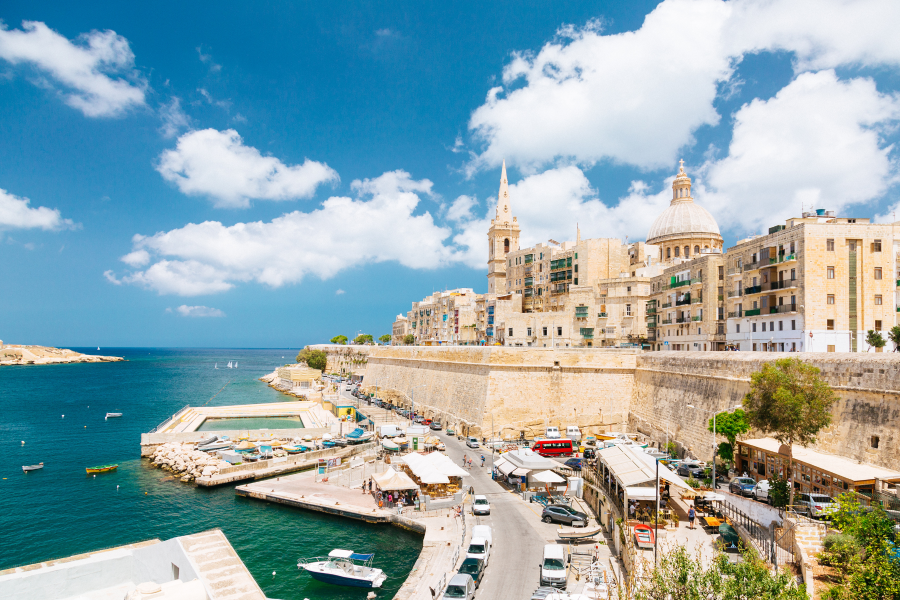
Buying Rental Investment Property in Malta: What Investors Need to Know Before Buying
25th June 2026

Buying investment property in Malta requires a careful assessment of both income potential and acquisition costs. Beyond the purchase price, investors should evaluate factors such as stamp duty, notarial fees, financing costs, maintenance obligations, management expenses, and expected vacancy periods. The choice between long-term residential rentals and short-term holiday accommodation can also influence income stability, operational requirements, and overall returns.
Successful investment decisions are typically based on projected net performance rather than headline rental figures alone. Assessing expected rental income against all ownership and operating costs provides a clearer picture of a property's long-term investment potential.
Is Malta a Good Place to Buy Rental Property?
Malta continues to attract property investors due to a combination of limited land supply, sustained housing demand, and a resilient economy. The island's established financial services sector, growing international business community, and strong tourism industry support demand across both residential and short-stay rental markets.
Demand is particularly evident in key locations such as Sliema, St Julian's, and Gzira, where professionals, expatriates, and international visitors continue to drive occupancy levels. Combined with a transparent property market and a long history of international ownership, these factors contribute to Malta's reputation as an established destination for rental property investment.
Why Investors Buy Rental Property in Malta
Investors enter the Maltese rental market for a variety of reasons, ranging from income generation to long-term wealth preservation. Some buyers prioritise consistent rental cash flow, while others focus on capital appreciation in high-demand locations. International investors may also view Malta as a means of diversifying property holdings across multiple jurisdictions while maintaining exposure to a Eurozone real estate market.
Rental property can serve different investment objectives depending on the buyer's profile. Some investors seek immediate income from established rental areas, while others target emerging locations where future infrastructure improvements and regeneration projects may support capital growth over time.
Main Demand Drivers
Rental performance is ultimately shaped by tenant demand. Malta benefits from multiple independent sources of housing demand, reducing reliance on a single sector or demographic group. This diversity helps support occupancy levels across different market cycles and property types.
- Expats working in gaming, finance, technology and professional services.
- International students attending local institutions.
- Digital nomads seeking medium-term accommodation.
- Tourism-driven demand for short-stay rentals.
- Limited housing supply in central and coastal districts.
These sources of demand often overlap geographically, creating competition for well-located rental properties and supporting occupancy rates across many of Malta's most established residential areas.
Long Term vs Short Term Investment Logic
Long-let rental property typically provides steadier monthly income with reduced operational involvement. Tenants usually sign longer agreements, which reduces turnover and management frequency.
Short-let rental property can generate higher gross income, particularly in high tourism zones, but introduces more complexity. Investors must account for seasonality, regulatory compliance, cleaning logistics, and active guest management. The choice between the two strategies directly impacts yield stability and workload.
Best Property Types for Rental Investment in Malta
Selecting the right property type is central to achieving strong occupancy and yield performance. Different asset classes perform differently depending on the tenant profile and location.
- Apartments - Apartments are the most common choice for rental investment, especially in high-demand locations. They attract professionals and short-stay tenants due to convenience, amenities, and accessibility.
- Maisonettes and Townhouses - Maisonettes and townhouses often appeal to families or long-term tenants seeking larger living spaces. These properties can offer stable occupancy but may require higher maintenance budgets, particularly for older structures.
- Properties in Special Designated Areas - Properties in Special Designated Areas offer a strategic advantage for foreign investors. These zones allow non-resident buyers greater flexibility without some of the restrictions that apply elsewhere, making them attractive for international rental portfolios.
- Older Properties for Renovation - Renovation projects can deliver strong upside when executed correctly. However, investors must consider structural condition, permitting requirements, and finish costs. Delays in renovation can also impact rental readiness and initial yield performance.
Where to Buy Rental Property in Malta
Location is one of the most important factors influencing rental demand, tenant type, and yield consistency. Different areas attract distinct segments of the market, from professionals to families and seasonal tenants.
- Premium Rental Areas - Premium rental zones include Sliema, St Julian's, Swieqi, Gzira and Valletta. These areas attract expatriates, executives, and high-income tenants due to proximity to business districts, coastal amenities, and lifestyle infrastructure.
- Value and Growth Areas - More affordable entry points can be found in Msida, Birkirkara, Mosta, Qormi and Marsaskala. These locations can offer stronger yield potential, although rental demand varies significantly by street, property condition, and transport connectivity.
- Gozo as an Investment Option - Gozo presents a different investment profile with generally lower purchase prices and strong seasonal tourism appeal. However, long-let demand is smaller compared to central Malta, and income can fluctuate more depending on seasonal cycles.
Costs of Buying Investment Property in Malta
When assessing the profitability of a rental investment, acquisition costs should be considered alongside the purchase price. These expenses directly influence the capital required to complete the transaction and can affect the timeframe needed to achieve targeted returns. Investors who focus solely on headline purchase prices may underestimate the true cost of entering the market, resulting in inaccurate yield calculations and cash flow projections.
Beyond the property itself, buyers must account for legal fees, taxes, financing costs, and any expenditure required to prepare the property for tenants. The total investment commitment is therefore often higher than the agreed purchase price alone.
Main Purchase Costs
In addition to the agreed property price, investors may encounter the following expenses during the acquisition process:
- Promise of Sale Deposit (Konvenju)
A deposit is typically paid when signing the preliminary agreement, securing the property while legal checks and financing arrangements are completed. - Stamp Duty
One of the largest acquisition costs for many buyers, payable on the transfer of property ownership. - Notarial Fees
Cover legal searches, title verification, preparation of documentation, and completion of the transfer process. - Architect or Survey Costs
Depending on the property, buyers may commission inspections or technical reports before proceeding. - Bank Fees and Loan Charges
Applicable where financing is used and may include valuation fees, arrangement charges, and administrative costs. - Insurance Costs
Often required by lenders and important for protecting the asset. - Furnishing and Finishing Expenses
Particularly relevant for rental properties that need to be prepared for tenants. - Agency or Property Management Fees
May apply depending on how the property is sourced and managed.
Typical Acquisition Costs at a Glance
|
Cost |
Typical Amount |
|
Konvenju Deposit |
Commonly 10% of the purchase price |
|
Stamp Duty |
Generally, 5% of the property value |
|
Notarial Fees |
Often 1% to 3% of the purchase price plus VAT |
|
Architect or Survey Costs |
Varies by property and scope |
|
Bank Fees |
Varies by lender and loan structure |
|
Insurance |
Depends on property value and cover |
|
Furnishing and Finishing |
Varies significantly by property type |
Example Investment Purchase
The impact of acquisition costs becomes clearer when applied to a real-world scenario.
An investor purchasing a €500,000 apartment intended for long-term rental may incur the following costs in addition to the purchase price:
|
Expense |
Approximate Cost |
|
Purchase Price |
€500,000 |
|
Stamp Duty (5%) |
€25,000 |
|
Notarial Fees (1.5% estimate) |
€7,500 |
|
Bank and Legal Costs |
€3,000 |
|
Furnishing and Setup |
€15,000 |
|
Estimated Total Investment |
€550,500 |
In this example, the investor commits more than €50,000 above the advertised purchase price before generating any rental income. This additional capital should be included when calculating net yield and evaluating overall investment performance.
Stamp Duty and Buyer Taxes
Stamp duty is generally the most significant transaction tax payable by buyers and should be factored into investment planning from the earliest stages. While the standard rate is commonly 5%, certain exemptions, incentives, or reduced rates may apply depending on the buyer's circumstances and the nature of the property.
Because tax treatment can materially affect acquisition costs and projected returns, investors should seek professional advice to understand any concessions available to them before completing a purchase.
Can Foreigners Buy Investment Property in Malta?
Malta generally offers a straightforward framework for foreign ownership. However, the rules governing property purchases vary depending on a buyer's nationality, residency status, and the type of property being acquired.
For investors, the most important distinction is whether the purchase falls within a Special Designated Area (SDA) or outside one, as this can affect permit requirements and ownership restrictions.
Property Ownership Rules for Foreign Buyers
Foreign nationals are permitted to purchase property in Malta, but the applicable requirements differ between EU, EEA and non-EU citizens.
- EU and EEA Citizens
EU and EEA nationals who have resided in Malta continuously for at least five years generally enjoy the same property ownership rights as Maltese citizens. Those who have not met this residency threshold may still purchase property, although certain restrictions can apply depending on the intended use of the property. - Non-EU Buyers
Buyers from outside the EU and EEA are often required to obtain an Acquisition of Immovable Property (AIP) permit before purchasing property outside of Special Designated Areas. The permit process is designed to regulate foreign ownership while still allowing international investment in the Maltese property market.
What Are Special Designated Areas in Malta?
Special Designated Areas are developments approved by the Maltese authorities where foreign buyers can generally purchase property without the restrictions that apply elsewhere. These developments are particularly attractive to international investors because they often allow unrestricted ownership regardless of nationality and can simplify the acquisition process. Examples include high-profile developments such as Portomaso, Tigne Point, and Mercury Towers.
Investment Considerations for Foreign Buyers
While foreign ownership is generally permitted, investors should assess more than just eligibility to purchase. Financing availability, tax obligations, inheritance planning, rental licensing requirements, and long-term ownership objectives can all influence the suitability of a particular investment. The legal structure of the purchase should also align with the intended investment strategy, particularly where short-term rentals or multiple property acquisitions are being considered.
Why Legal Advice Matters When Purchasing a Property in Malta
Property purchases in Malta involve legal due diligence, title verification, planning checks, and compliance with any permit requirements that may apply. Before signing a Konvenju, investors should obtain professional advice to confirm their eligibility, understand any ownership restrictions, and ensure the transaction structure aligns with their investment objectives.
Step-by-Step Process for Buying Rental Property in Malta
Purchasing investment property in Malta involves more than finding a suitable apartment and completing the transaction. Successful investors typically follow a structured process that evaluates both the property's legal status and its ability to generate sustainable rental income. Each stage plays a role in reducing risk and supporting long-term investment performance.
1. Define Your Investment Objectives
Before viewing properties, investors should establish clear acquisition criteria. This includes setting a purchase budget, determining financing requirements, identifying target rental yields, and selecting a preferred investment strategy. At this stage, buyers should also decide whether the property will be operated as a long-term rental, a short-term holiday let, or a hybrid investment. The intended strategy will influence location selection, property type, furnishing requirements, and expected returns.
Key considerations include:
- Budget and available deposit
- Cash purchase versus mortgage finance
- Long let or short let strategy
- Target tenant profile
- Desired rental yield
- Expected holding period
2. Select a Trusted Real Estate Agency
For overseas investors and first-time buyers alike, working with an established real estate agency can simplify the acquisition process and provide access to market insights that may not be readily available through online listings alone. An experienced agency and recognised leader in Malta's luxury real estate market, such as Malta Sotheby's International Realty, can assist with identifying suitable investment opportunities, evaluating locations, coordinating property viewings, facilitating negotiations, and connecting buyers with trusted legal, financial, and property management professionals.
3. Research Locations and Market Demand
Location remains one of the most significant factors affecting rental performance. Investors should evaluate areas based on tenant demand, rental pricing, occupancy trends, infrastructure, and future development activity. Different locations often appeal to different tenant groups. Business districts may attract professionals and expatriates, while coastal areas can generate stronger demand from short-stay visitors and lifestyle-focused renters.
When comparing locations, investors should assess:
- Average rental rates
- Vacancy levels
- Local amenities
- Transport connections
- Employment hubs
- Future development plans
4. Identify and Compare Suitable Properties
Once a target area has been selected, individual properties can be assessed against investment objectives. The purchase price alone should not determine suitability. Investors should analyse expected rental income alongside ongoing ownership costs to understand the property's likely net return.
Important factors include:
- Building condition
- Age of the property
- Service charges and maintenance costs
- Lift access
- Parking facilities
- Layout and functionality
- Furnishing requirements
- Potential future resale appeal
5. Assess Financial Performance
Before making an offer, investors should conduct a detailed financial assessment. This typically involves estimating annual rental income, deducting anticipated operating costs, and calculating projected net yield. Maintenance expenses, management fees, vacancy periods, insurance, and financing costs should all be incorporated into return projections. Properties that appear attractive based on rental income alone may deliver significantly different results once operating expenses are considered.
6. Understand Tax Implications and Holding Costs
Before committing to a purchase, investors should fully understand the tax obligations associated with property ownership in Malta, as these directly impact net rental returns and long-term profitability. The most significant acquisition tax is stamp duty. In addition to acquisition taxes, investors should also consider ongoing obligations such as income tax on rental earnings.
Rental income in Malta is subject to taxation, and the effective return on investment will depend on how these obligations are structured and reported. For international buyers, tax considerations may also extend to cross-border obligations depending on their country of residence, making it important to obtain professional tax advice before finalising a purchase.
7. Secure Financing and Make an Offer
Buyers requiring mortgage finance should obtain an indication of borrowing capacity before committing to a purchase. This helps ensure the selected property aligns with lending requirements and available capital. Once a suitable property has been identified, negotiations can begin and an offer may be submitted to the seller.
8. Sign The Promise of Sale Agreement (Konvenju)
The Konvenju is a preliminary agreement that sets out the terms and conditions of the transaction. It typically specifies the agreed purchase price, deposit amount, completion deadlines, financing conditions, and any special clauses relevant to the sale. Signing the agreement formally commits both parties to the transaction while providing time for legal checks and financing arrangements to be completed.
9. Complete Legal Due Diligence
Following the signing of the Konvenju, the notary conducts legal investigations into the property. These searches are intended to verify ownership, identify any outstanding debts, confirm title validity, and ensure there are no legal issues that could affect the transfer. Planning permissions and other regulatory matters may also be reviewed where relevant. This stage is critical because it protects the buyer from acquiring a property with unresolved legal complications.
10. Sign the Final Deed
Once all legal requirements have been satisfied and financing is in place, the parties proceed to the final deed of sale. The remaining balance of the purchase price is paid, ownership is transferred to the buyer, and the transaction is officially completed.
11. Prepare the Property for Rental
Following completion, the focus shifts from acquisition to income generation. Depending on the property's condition, investors may need to complete furnishing, repairs, decorative improvements, photography, marketing, and compliance requirements before advertising the property to prospective tenants. A well-presented property can often achieve stronger rental demand and reduced vacancy periods.
12. Launch and Manage the Investment
The final stage involves tenant acquisition and ongoing asset management. This may include marketing the property, conducting viewings, screening tenants, preparing lease agreements, coordinating maintenance, and monitoring financial performance over time. Investors who actively review occupancy levels, rental pricing, and operating costs are generally better positioned to maximise long-term returns.
How to Calculate Rental Yield in Malta
Rental yield is one of the most important performance indicators in Malta property investment, allowing investors to assess the relationship between purchase price and rental income. However, it is essential to distinguish between gross yield and net yield, as they provide very different pictures of investment performance.
Gross Yield Formula
Gross yield measures income before expenses and is calculated by taking the annual rent, dividing it by the purchase price and multiplying by 100.
Gross Yield Example
|
Item |
Amount |
|
Purchase Price |
€300,000 |
|
Monthly Rent |
€1,200 |
|
Annual Rent |
€14,400 |
|
Gross Yield |
4.8% |
In this example, the gross yield provides a quick snapshot of income potential, but it does not account for operating costs or periods of vacancy.
Why Net Yield is More Important
Net yield provides a more accurate reflection of investment performance because it accounts for real-world costs associated with owning and operating a rental property. These costs can significantly reduce returns and vary depending on property type, location, and rental strategy.
Typical deductions include:
|
Expense Category |
Impact on Returns |
|
Mortgage interest |
Reduces monthly cash flow |
|
Maintenance and repairs |
Ongoing variable cost |
|
Insurance |
Fixed annual expense |
|
Vacancy periods |
Reduces annual income |
|
Management fees |
Applicable if professionally managed |
|
Condominium charges |
Common in apartment buildings |
|
Rental income tax |
Affects net profitability |
A property with a lower purchase price and consistent occupancy can often outperform a higher value property once all costs are accounted for.
Net Yield Interpretation
Net yield is the metric investors should prioritise when comparing opportunities, as it reflects true performance after all costs. In many cases, a property with a strong gross yield may deliver a significantly lower net yield once financing, maintenance, tax, and vacancy assumptions are applied. For this reason, professional investors typically use net yield as the primary benchmark when assessing Malta property investment opportunities.
Long Let vs Short Let Rental Property in Malta
Rental strategy is one of the most important investment decisions in the Maltese property market, as it directly affects income stability, operational workload, and regulatory exposure. The same property can perform very differently depending on whether it is operated as a long-term residential rental or a short-term holiday let.
Long Let Investment Strategy
Long-term rentals typically involve leasing a property to tenants on annual agreements, providing more predictable income and lower operational complexity.
Key advantages:
- Stable and predictable rental income
- Lower tenant turnover and reduced vacancy frequency
- Minimal day-to-day management requirements
- Easier financing and valuation from lenders
Key considerations:
- Lower gross rental income compared to short lets in prime tourist areas
- Exposure to tenant default or payment delays
- Limited flexibility for personal use of the property
Short Let Investment Strategy
Short-term rentals are typically targeted at tourists and short-stay visitors, particularly in high-demand coastal and urban locations.
Key advantages:
- Higher potential gross income during peak tourism seasons
- Flexibility for owner usage between bookings
- Ability to adjust pricing dynamically based on demand
Key considerations:
- Seasonal income fluctuations affecting cash flow stability
- Higher operational involvement including cleaning, check-ins, and guest communication
- Increased regulatory and compliance requirements
- Greater wear and tear due to frequent occupancy changes
Risks to Consider Before Buying Investment Property in Malta
Successful property investment depends not only on identifying opportunities, but also on accurately assessing risk factors that may impact long-term performance. Overlooking these elements can result in lower-than-expected returns, extended vacancy periods, or unexpected capital expenditure.
Market and Income Risks:
- Overestimating rental income based on asking prices rather than achieved rents
- Weak tenant demand in secondary or oversupplied locations
- Overreliance on short let income without accounting for seasonality
- Vacancy risk in areas with limited year-round demand
Property and Physical Risks:
- Underestimating renovation or refurbishment costs
- Poor layout efficiency affecting tenant appeal
- Limited natural light or ventilation impacting desirability
- Upper-floor properties without lift access reducing rental demand
- Lack of parking in areas where it is expected
Legal and Regulatory Risks:
- Restrictions linked to permits or property classification
- Non-compliance with short let regulations or licensing requirements
- Condominium rules limiting rental use or tenant activity
- Title complications or unresolved legal encumbrances
Financial and Market Cycle Risks:
- Rising interest rates increasing mortgage repayments
- Inflationary pressure on maintenance and service costs
- Reduced affordability affecting tenant demand in certain segments
Final Checklist Before Buying Rental Property in Malta
Before committing to a purchase, investors should complete a structured final review to ensure the property is financially viable, legally compliant, and aligned with their long-term investment objectives. This stage is designed to eliminate assumptions and confirm real-world performance potential.
Investment Viability
- Confirm whether actual achieved rental income supports projected yield
- Calculate net yield after all acquisition, financing, and operating costs
- Stress test affordability against interest rate increases
- Factor in vacancy periods and seasonal fluctuations
- Confirm ongoing service charges, insurance, and management costs
Legal and Regulatory Compliance
- Confirm whether an AIP permit is required (if applicable)
- Verify title, ownership structure, and any encumbrances
- Review condominium rules affecting rental use
- Confirm short let licensing or regulatory requirements (if applicable)
Property and Operational Readiness
- Assess whether the property is rental-ready or requires capital expenditure
- Evaluate layout, natural light, access, parking, and tenant appeal
- Confirm furnishing and setup costs realistically
- Assess ongoing maintenance expectations based on property condition
Market Position and Exit Strategy
- Verify long-term resale demand in the chosen location
- Assess liquidity and depth of buyer demand in the area
- Consider capital appreciation potential alongside rental income
- Confirm whether the property aligns with a defined exit timeline
Professional Validation
- Obtain input from a notary, tax adviser, and rental specialist
- Validate rental assumptions against real market transactions, not listings
- Ensure financing structure aligns with investment strategy
Whether purchasing a rental apartment, a waterfront residence, or a long-term investment asset, Malta Sotheby's International Realty combines in-depth local market knowledge with an internationally recognised brand, helping buyers access exceptional properties while making informed investment decisions. From initial property searches through to acquisition, the team provides personalised support tailored to each client's investment objectives.
For expert advice and access to exclusive opportunities, contact Malta Sotheby’s International Realty today on +356 2010 8077, visit www.maltasothebysrealty.com, or meet us in person at our offices in Portomaso Marina or Tigné Point Pjazza.