Is it Better to Rent or Buy Residential Property in Malta?
17th April 2026

Malta’s residential property market presents a compelling intersection of lifestyle, capital preservation, and long-term wealth strategy. For international buyers and residents alike, the decision to rent or buy is not a simple comparison of monthly costs. It is a question of how capital is deployed, how risk is managed, and how one positions themselves within a market defined by scarcity, resilience, and sustained demand.
In 2026, this decision carries greater precision. The Maltese market has moved beyond broad growth cycles into a more selective phase where asset quality, micro location, and time horizon determine outcomes. Within this environment, renting and buying represent two distinct financial strategies, each with measurable implications for both lifestyle and long-term wealth.
Malta Residential Property Market
Understanding whether it is better to rent or buy property in Malta requires a grounded view of how the market functions. Unlike larger European markets, Malta operates within strict physical and regulatory constraints that continue to shape both pricing and demand.
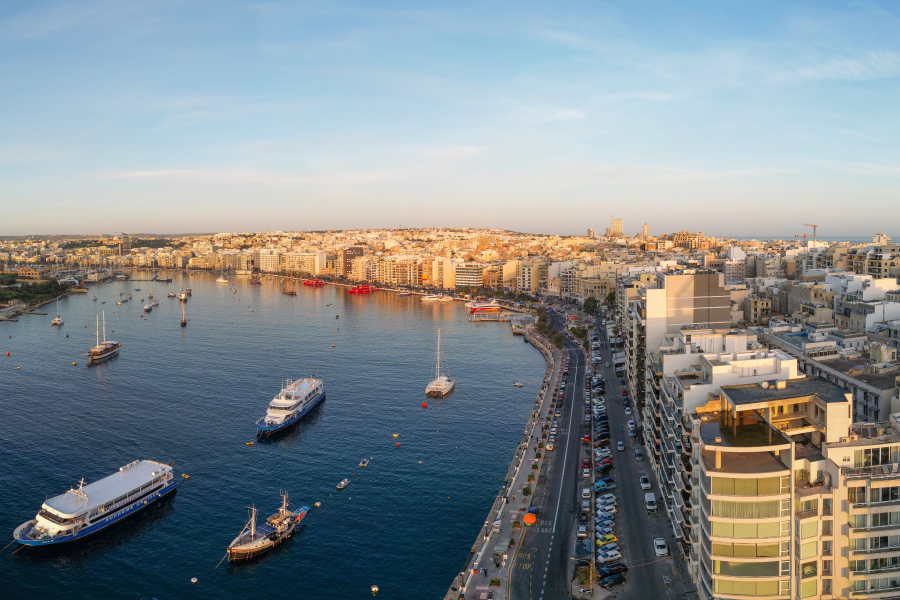
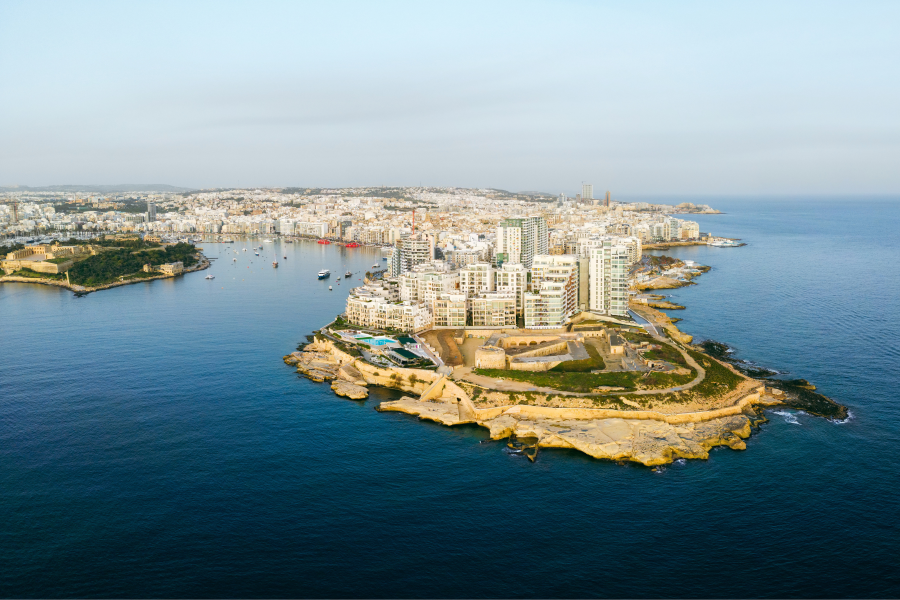
The island’s limited land supply remains one of the most influential factors. Development is tightly controlled, and prime coastal areas such as Sliema, St Julian’s, and Valletta have little capacity for expansion. This creates a natural ceiling on supply, particularly for high-quality residential assets. At the same time, demand continues to be reinforced by Malta’s economic stability, EU membership, and its positioning as a hub for financial services, technology, and international business.
Emerging locations such as Gzira, Msida, and parts of the Three Cities have introduced additional stock into the market. However, these areas do not dilute demand in prime zones. Instead, they broaden the overall market, creating a layered structure where pricing and performance are increasingly driven by micro location and asset quality.
Rental demand is equally robust. Malta’s expatriate population, coupled with remote professionals and international firms, sustains consistent occupancy levels. This dual strength across both ownership and rental sectors reinforces the market’s resilience and supports long-term stability.
Buying Property in Malta
Buying property in Malta is not just about having a place to live. For most buyers, it becomes one of the largest financial decisions they will make, shaping both their day-to-day lifestyle and their long-term financial position.
Unlike renting, ownership introduces a gradual accumulation of equity, as a portion of each mortgage repayment reduces outstanding debt. Combined with long-term capital appreciation, this creates a compounding effect that distinguishes ownership from rental expenditure over time.
Capital Appreciation and Market Resilience
Over the past decade, Malta’s property market has shown consistent appreciation, particularly within prime residential segments. This growth is not driven by speculative activity but by structural demand and constrained supply.
- Prime assets, including seafront apartments and well-located developments, continue to outperform due to their limited availability and strong buyer demand.
- Properties with high build quality, efficient layouts, and modern specifications show greater resilience during periods of market adjustment.
While growth rates may moderate compared to earlier cycles, the underlying fundamentals supporting long-term appreciation remain firmly in place.
Equity Accumulation and Wealth Building
One of the defining advantages of ownership is the ability to build equity over time. Mortgage repayments do not simply cover borrowing costs. A portion of each payment contributes to reducing the outstanding loan balance.
This mechanism introduces a form of structured wealth accumulation. Unlike rent, which represents a recurring expense, ownership transforms monthly payments into a combination of cost and capital formation. Over extended periods, this distinction becomes increasingly significant, particularly when combined with property appreciation.
Rental Income Potential and Hybrid Use
For buyers who do not occupy their property on a full-time basis, rental income introduces an additional layer of financial performance. Long-term rentals to professional tenants offer stability and predictable income. In certain cases, properties may also be positioned for shorter-term rentals, depending on regulatory conditions and location. This flexibility allows owners to offset holding costs while retaining the underlying asset, effectively blending lifestyle use with investment return.
Cost Structure and Financial Considerations
Ownership does, however, require a structured approach to cost management. Initial acquisition costs are a defining factor and should be evaluated in relation to the intended holding period.
- Stamp duty is typically set at 5% of the purchase price.
- Legal and notarial fees generally range between 1% and 2%.
- Financing costs vary depending on loan structure and interest rate conditions.
Ongoing expenses, including maintenance, insurance, and service charges, remain relatively efficient compared to other European markets. In most cases, these costs fall below 1% of property value annually, reinforcing Malta’s appeal as an ownership market.
Renting Property in Malta
Renting property in Malta offers a fundamentally different financial profile. Rather than committing capital to a fixed asset, tenants retain liquidity and maintain flexibility, allowing for a more adaptive approach to both lifestyle and financial planning.
Preservation of Capital and Investment Flexibility
Renting preserves capital and avoids the upfront financial commitment associated with property acquisition. This keeps liquidity available for other uses, whether that is investment opportunities, business allocation, or maintaining financial flexibility during uncertain time horizons in Malta.
It also removes the longer-term considerations tied to ownership, such as resale timing, market conditions, and the need to commit to an asset before fully understanding how long a stay in Malta may last. The trade-off is that rent remains a continuous cost with no equity accumulation, meaning value is not retained over time.
Mobility and Reduced Financial Friction
Renting avoids the financial and logistical commitments that come with buying and eventually selling property. However, whilst renting offers greater flexibility monthly rental costs is a recurring expense that may increase over time, and it does not contribute towards ownership. Over longer periods, this begins to shift the balance, turning flexibility into a more costly position.
A Financial Perspective - Rent Vs Buy in Practice
A meaningful comparison between renting and buying property in Malta requires a structured financial lens. While individual circumstances vary, a simplified scenario provides useful insight into how each approach performs over time.
Consider a well-located three-bedroom apartment in Sliema valued at €1,200,000, with a comparable rental rate of €3,800 per month.
Over a 10-year period:
- Total rental expenditure, assuming moderate increases, is likely to exceed €450,000 to €500,000.
- Ownership would involve higher upfront costs, including acquisition expenses and deposit requirements, alongside ongoing mortgage repayments.
However, the financial outcome differs significantly:
- A portion of mortgage payments contributes to equity accumulation.
- Assuming an annual property appreciation of 4% to 5%, the property value could increase substantially over the same period.
At the end of the holding period, the buyer retains a tangible asset with both market value and accumulated equity. The renter, by contrast, has incurred a similar level of expenditure without retaining any capital value. The distinction is not immediate but becomes increasingly pronounced beyond a 5-to-7-year horizon, where ownership begins to outperform renting in both financial and strategic terms.
Time Horizon as the Defining Variable
The duration of ownership remains one of the most critical factors in determining whether it is better to rent or buy in Malta. The financial friction associated with buying and selling property within a limited timeframe can offset potential gains.
The impact of transaction costs, financing structure, and property appreciation changes significantly depending on how long the asset is held.
Over shorter periods, renting tends to be more efficient due to lower upfront costs and reduced exposure to market timing risk. Over longer periods, ownership begins to compound through equity accumulation and capital appreciation, gradually shifting the financial advantage.
Lifestyle Alignment and Personal Positioning
Beyond financial considerations, the decision to rent or buy in Malta is closely tied to lifestyle. Property extends beyond its role as an investment, shaping daily routines, stability, and the overall sense of permanence on the island.
Ownership offers a sense of stability and continuity, along with the freedom to shape a home according to personal preference. It naturally supports longer-term establishment in Malta, making it particularly relevant for families and individuals intending to put down roots over time.
Renting, by contrast, offers a more fluid approach to living. Ultimately, the decision sits at the intersection of financial consideration and lifestyle direction, where both capital strategy and personal priorities carry equal weight.
Market Trends Influencing the Decision in 2026
Several forward-looking trends continue to shape Malta’s residential property market and influence the rent versus buy equation. Demand for energy-efficient and high specification properties is increasing, driving a premium within both sales and rental markets. Buyers and tenants alike are placing greater emphasis on quality, sustainability, and modern design.
Interest rate conditions remain a key variable, influencing affordability and financing decisions for buyers. Malta’s property market is structurally shaped by limited land availability and controlled development, particularly in established coastal and urban locations. This naturally constrains supply in prime areas, while demand remains supported by Malta’s economic stability, international workforce, and continued foreign investment interest.
Despite these factors, the underlying fundamentals of the Maltese market remain stable, reinforcing its position as a resilient and attractive environment for both ownership and rental activity.
Renting vs Buying Property - A Strategic Decision Rather Than a Simple Choice
The decision to rent or buy in Malta is ultimately defined by alignment between financial horizon and lifestyle intent. Each path serves a different purpose. Renting prioritises liquidity and adaptability, while ownership consolidates long-term value through equity and appreciation.
Achieving the right outcome in Malta’s property market requires clarity and alignment. Aligning financial capacity with investment horizon and aligning lifestyle preferences with property selection is essential. A considered approach, grounded in both market insight and personal strategy, will consistently deliver stronger results than reactive decision making.
Malta Sotheby’s International Realty offers access to a curated portfolio of exceptional residential properties across Malta’s most sought-after locations. With a focus on strategic advisory and market insight, each client is guided towards decisions that reflect both immediate priorities and long-term value creation.
To explore the island’s premier residential properties, contact Malta Sotheby’s International Realty on +356 2010 8077, visit www.maltasothebysrealty.com, or stop by our offices at the Portomaso Marina or the Tigné Point Pjazza.