Gozo vs Malta – A Lifestyle and Property Comparison
17th April 2026
Choosing between Malta and Gozo is more than a decision about geography; it is a choice about lifestyle, pace of life, and the type of community you want to become part of. Both islands, located in the heart of the Mediterranean, share a rich history, sun-drenched landscapes, and a unique blend of European and local culture. Yet the experience of living on Malta is markedly different from life on Gozo.
From property markets to daily routines, cost of living, and social environments, the differences are profound, and understanding them is crucial for anyone considering relocation or property investment in the Maltese archipelago. This comparison provides a comprehensive look at what life on each island entails, offering insights into lifestyle, property options, amenities, and community experiences. It is designed to guide prospective buyers, expatriates, and long-term residents toward a decision that aligns with their needs and aspirations.
Lifestyle on Malta and Gozo
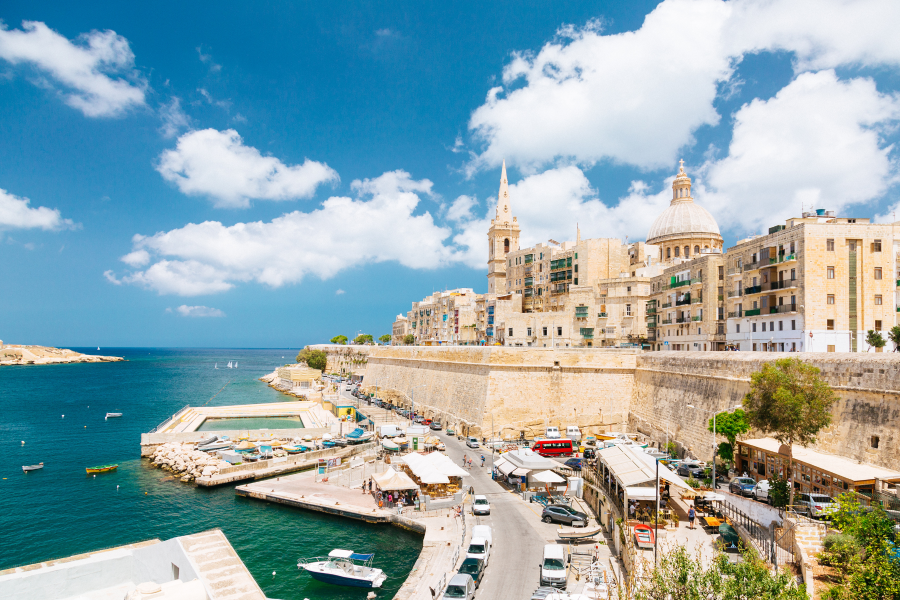
Lifestyle is often the defining factor when choosing between Malta and Gozo. Malta is fast-paced, cosmopolitan, and vibrant, offering a lifestyle infused with energy, diversity, and constant activity. Cities such as Valletta, Sliema, and St. Julian’s bustle with international flair, dining options, shopping experiences, and nightlife that draws both locals and expatriates. The streets are lined with a mixture of Baroque architecture, modern apartments, and contemporary commercial hubs, creating a setting that is dynamic yet historically resonant.
Gozo, in contrast, is slower, quieter, and intimately connected to nature. Life here revolves around community, family, and the rhythms of a smaller island. The pace is relaxed, traffic is minimal, and there is a sense of space and calm that is increasingly rare in modern European towns. Residents often describe the island as a retreat from the hustle of Malta, where weekends feel like a permanent holiday.
Pace of Life and Atmosphere
Malta is ideal for those who thrive in a bustling environment. Daily life is punctuated by cultural events, festivals, and the presence of a diverse international community. Cafes and restaurants open early and close late, and the streets of urban centres are alive with activity seven days a week. Residents can enjoy modern conveniences, international cuisine, and vibrant social scenes without ever feeling isolated.
Gozo’s atmosphere is markedly different. Villages and towns retain their traditional charm, with small streets, open spaces, and a slower rhythm that encourages connection with nature and neighbours. Daily life moves at a gentler pace, allowing for reflection, outdoor recreation, and an emphasis on quality of life over speed and convenience.
Outdoor and Leisure Activities
Both islands offer abundant outdoor activities, though the experience differs. Malta provides beaches, hiking trails, marinas, and water sports that cater to both adventure enthusiasts and families. Urban cultural activities such as museums, galleries, and theatres are accessible, ensuring residents have diverse options for entertainment.
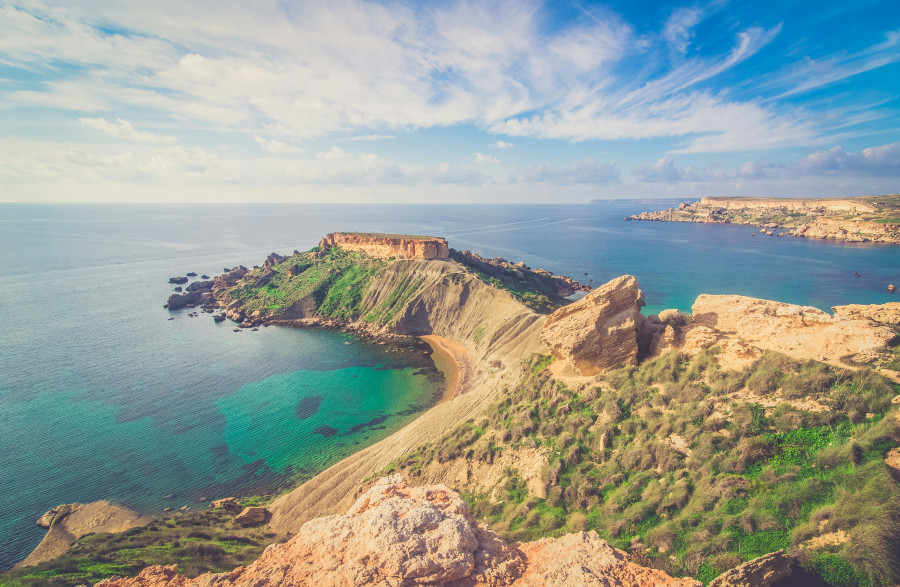
Gozo’s landscape is more rugged, offering rolling hills, cliffs, and coastal paths. Its natural beauty encourages exploration, whether through hiking, diving, or photography. Secluded beaches and less crowded diving spots make the island a haven for those seeking immersion in nature and a more contemplative lifestyle.
Cultural and Social Environment
Both Malta and Gozo are deeply rooted in history and cultural identity, yet they offer distinctly different experiences in how that culture is lived and shared.
Malta is defined by its architectural grandeur and cosmopolitan character. Cities such as Valletta and Mdina showcase Baroque design, fortified streets, and centuries of layered history, while landmarks across the island reflect its strategic and cultural significance. Notable highlights include:
- Fort St Elmo, a key historical fortification overlooking the Grand Harbour
- St. John's Co-Cathedral, renowned for its ornate Baroque interior and artistic heritage
- Upper Barrakka Gardens, offering panoramic views across the harbour
This rich historical setting is complemented by a multicultural, English-speaking environment where international communities thrive, providing residents with access to diverse social networks, clubs, and cultural experiences.
Gozo offers a more intimate and traditional interpretation of Maltese heritage. Historic sites and natural landmarks reflect ancient history and a slower, more rural way of life, with key locations including:
- Ġgantija Temples, among the oldest freestanding structures in the world
- Citadel of Victoria, a fortified centre overlooking the island
- Dwejra Bay, known for its dramatic coastal formations and natural beauty
Coastal villages such as Xlendi and Marsalforn embody this relaxed atmosphere, where daily life is closely tied to community and tradition. Cultural life centres around local engagement, with festivals, agricultural fairs, and religious celebrations - such as the Feast of Santa Marija - playing a central role in fostering strong community bonds and a lasting sense of belonging.
Property Market Comparison
For prospective buyers, the property market represents a major factor in deciding between Malta and Gozo. Both islands offer opportunities for investment, holiday homes, and permanent residences, but the options, prices, and property styles differ significantly.
Property Types and Architectural Styles
In Malta, property ranges from modern apartments in high-rise buildings to restored townhouses in historical districts. Luxury villas with panoramic sea views are common along the northern coast, and contemporary developments often integrate modern design with traditional stone facades.
Gozo offers more traditional architecture, with stone farmhouses, rustic villas, and Homes of Character dominating the market. Homes often have larger plots, outdoor spaces, and a connection to the surrounding landscape. The architectural style reinforces the island’s slower, more rural lifestyle, appealing to buyers who value tranquillity over urban convenience.
Pricing and Investment Potential
Malta’s real estate market is dynamic, driven by local demand and international interest. Prime locations such as Sliema, St Julian's, and Valletta command high prices, whilst Gozo offers more conservative property options, especially in rural villages and coastal towns. While high-demand areas near Victoria or waterfront locations show steady appreciation. Overall capital investment is typically lower than in Malta.
Approximate 2026 property prices:
- Malta apartments and penthouses: €350,000 to €6,000,000 +
- Malta villas: €850,000 to €15,000,000 +
- Gozo Houses of Character: €750,000 to €1,800,000 +
- Gozo farmhouses: €750,000 to €1,800,000 +
Rental markets also differ. Malta caters to expatriates, professionals, and students, with active short-term rental opportunities driven by tourism. Gozo’s rental market is smaller and more seasonal, with long-term rentals targeting local residents or those seeking quieter lifestyles.
Availability and Competition
Malta’s property market is fast-moving, especially for sought-after sea-view apartments and urban developments. Buyers often need to act quickly, with negotiations moving at pace and limited time for deliberation.
In Gozo, competition is less intense. Buyers can often find more room to negotiate, although options in central areas or close to the coast are limited. Strategic planning is important to secure the most desirable properties.
Cost of Living and Day-to-Day Expenses
Understanding the cost of living is essential when choosing between Malta and Gozo, particularly for long-term residents or expatriates. Housing, utilities, groceries, and daily expenses vary between the islands, reflecting differences in population, infrastructure, and lifestyle.
Urban areas in Malta carry higher housing costs, both in rental and purchase prices. Utility expenses can also be slightly higher due to increased demand and larger buildings. Gozo offers more affordable housing options, often with lower utility costs. Rural homes with private gardens or terraces provide added value, contributing to a more cost-effective lifestyle without sacrificing comfort or convenience.
Groceries, Dining, and Services
Malta’s supermarkets and restaurants feature a wide range of international products and dining options. With Malta enjoying more imported options and a wide variety of restaurants, particularly in tourist-heavy areas, which increases costs, particularly in central Valletta or St. Julian’s.
Gozo maintains a balance between quality and affordability. Local markets provide fresh produce, dairy, and artisanal products, while smaller restaurants offer traditional cuisine at competitive prices. Residents can enjoy a Mediterranean diet rich in fresh ingredients without the premium costs of Malta’s urban centres.
Transportation and Commuting
Getting around Malta and Gozo is an integral part of island life, shaping daily routines, work, and leisure. From Malta’s busy urban centres to Gozo’s tranquil roads, each island offers a unique mix of public transport, scenic drives, and connectivity options, allowing residents and visitors to navigate efficiently while enjoying the islands’ pace and charm.
Public Transport Networks
Malta’s extensive bus network efficiently links towns, urban centres, and ferry terminals, offering a practical alternative to driving. Gozo, by contrast, relies on local bus services and a 25-minute ferry connection to Malta.
While both buses and the ferry are generally reliable, inter-island travel may require planning during peak tourist seasons. Malta International Airport provides extensive European connections, making business and leisure travel straightforward, while the ferry ensures Gozo residents and visitors can easily access Malta’s broader services, shopping, and employment opportunities.
Road Infrastructure and Commuting
Malta’s roads are generally well-maintained, but congestion in urban areas can lengthen commute times, particularly during rush hours. Narrow streets in historic towns can pose a challenge for newcomers. Gozo, in contrast, offers quieter roads and scenic drives, with minimal congestion and easy access to beaches, villages, and hiking trails. Driving in Gozo tends to be more relaxed and stress-free.
Lifestyle and Local Travel
Many residents on both islands embrace walking or cycling for short trips to shops, cafes, and local amenities, reflecting the islands’ slower, more relaxed pace of life. While public transport is available, personal vehicles remain a practical choice, particularly on Gozo, where services are less frequent.
Education and Family Life
For families, education and child-friendly amenities are critical considerations. Both islands offer quality services, though the scale and variety differ. Malta provides a range of public and private schools, including international options. Families benefit from specialised programs, extracurricular activities, and access to English-language education throughout the island.
Gozo has a smaller selection of schools, primarily public and private institutions concentrated in Victoria. While fewer international programs exist, the smaller class sizes and close community provide a personalised educational environment with local schools encouraging community engagement.
Family amenities also vary. Malta features parks, sports clubs, cultural programs, and modern healthcare facilities. Gozo provides village squares, coastal playgrounds, and outdoor activity options, creating a family-oriented, community-focused environment.
Health Care
Malta is known for its advanced healthcare system, offering extensive healthcare facilities, including public hospitals, private clinics, and specialist services. Key hospitals include Malta General Hospital in Pieta and St Luke’s Hospital for private care. Gozo provides essential healthcare through Gozo General Hospital in Victoria, but certain specialist treatments require travel to Malta.
Social Life and Community Engagement
Social experiences differ markedly between Malta and Gozo, influencing both lifestyle and personal fulfilment. Malta offers a lively nightlife, with St. Julian’s, Paceville, and Sliema hosting clubs, bars, and live music venues. Cultural events, including theatre, exhibitions, and concerts, are frequent and varied.
Gozo’s nightlife is quieter, often centred on local festivals, family-oriented gatherings, and traditional celebrations. While options are limited, the experiences are intimate, authentic, and deeply connected to the island’s community.
Community and Networking
Malta’s international population fosters networking opportunities, social clubs, and professional associations. It is easy to meet expatriates, attend social events, and integrate into larger communities.
Gozo’s smaller population encourages stronger local ties. Residents often participate in village activities, church events, and community initiatives, fostering a sense of belonging and continuity.
Nature, Outdoor Activities, and Leisure
Both islands offer abundant opportunities to enjoy nature, though Gozo excels in providing secluded, scenic landscapes.
Beaches and Coastlines
Malta’s beaches are popular and well-serviced, attracting both locals and tourists. Swimming, sunbathing, and water sports are readily available, though urban beaches can feel crowded during summer.
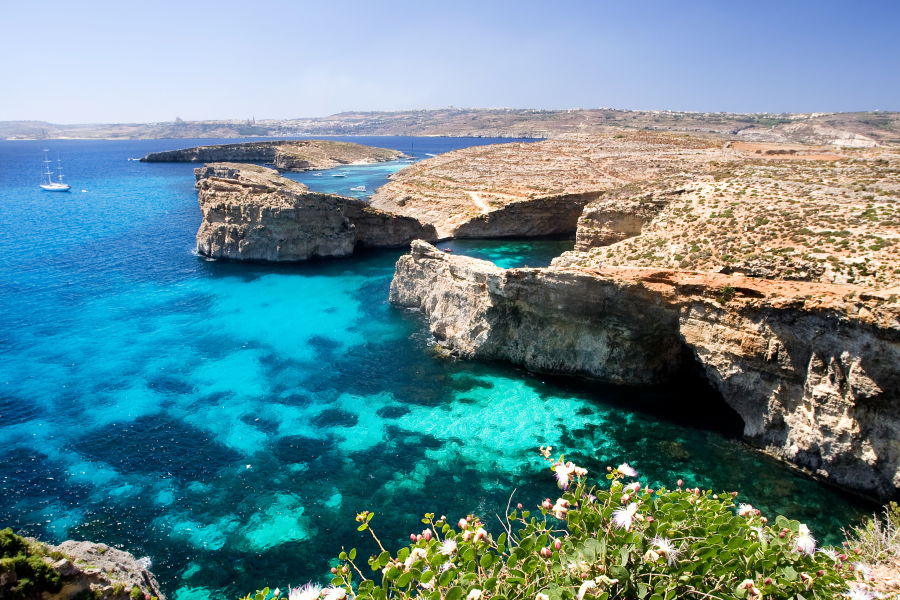
Gozo’s coastline is quieter, with crystal-clear waters and secluded coves. Locations such as Ramla Bay and Dwejra Bay offer peaceful alternatives for swimming, diving, and sunbathing, embodying the island’s slower, more reflective pace.
Hiking and Exploration
Malta provides coastal trails and urban walks, yet options for extensive hiking are limited. Gozo’s hills, valleys, and cliffs encourage outdoor exploration, offering immersive experiences for cyclists, hikers, and nature photographers.
Water Sports and Diving
Diving opportunities exist on both islands, but Gozo is famous for its underwater caves, the Blue Hole, and dramatic sea formations. Malta offers a wider variety of water sports, including sailing, windsurfing, and boat excursions suitable for beginners and advanced enthusiasts alike.
Food and Culinary Scene
Cuisine is a central aspect of lifestyle, reflecting both Mediterranean tradition and modern international influences. Malta boasts diverse dining experiences, ranging from fine dining in urban centres to casual eateries and international cuisine. Restaurants often operate late into the evening, catering to locals and tourists alike.
Gozo emphasises local, traditional cuisine. Gozitan specialities such as gbejniet cheese, fresh seafood, and farm-to-table produce dominate menus, offering authentic Mediterranean flavours and a strong connection to the island’s agricultural heritage.
Expat and Long-Term Resident Considerations
For those considering relocation, integration, work opportunities, and community engagement are essential. English is widely spoken on both islands. Malta provides easy access to social networks, clubs, and professional groups. Gozo requires engagement with local traditions to fully integrate, though its smaller population offers more personal relationships.
Work Opportunities
Malta has a diverse economy, with employment opportunities in finance, technology, tourism, and healthcare. Salaries are generally higher in urban centres, and career growth is more pronounced.
Gozo has a smaller job market, focused on agriculture, tourism, and small businesses. Many residents commute to Malta for employment, balancing the advantages of Gozo’s lifestyle with Malta’s career opportunities.
Relocation and Practical Considerations
Beyond lifestyle preferences and property choices, relocation to Malta or Gozo introduces a set of practical realities that are often underestimated during the decision-making process. These factors rarely influence initial interest but can significantly shape long-term satisfaction once settled.
Administrative Processes and Setup
- Relocating involves navigating residency applications, tax registration, banking, and utility setup. Malta offers a more streamlined experience due to its scale, with greater availability of service providers, legal professionals, and administrative support. Processes tend to move faster, particularly for expatriates familiar with international systems.
- In Gozo, administrative services are available but more limited. Certain processes may require travel to Malta, adding time and coordination. While not a barrier, this additional layer can influence how efficiently new residents establish themselves.
Access to Specialised Services
- While both islands provide essential services, access to specialised professionals varies between them. Malta offers a wider range of legal advisors, healthcare specialists, contractors, and niche service providers. This becomes particularly relevant for property renovations, business setup, or ongoing professional needs.
- Gozo covers most day-to-day requirements effectively, but more specialised services often require sourcing expertise from Malta. For residents undertaking complex projects or requiring ongoing specialist support, this can introduce delays or added planning.
Supply Chains and Availability
- Malta benefits from stronger supply chains, with a broader selection of imported goods, furnishings, and construction materials readily available. This is especially relevant for new homeowners furnishing or renovating properties.
- In Gozo, availability can be more limited, and certain items may need to be ordered from Malta or abroad. Delivery timelines can be longer, particularly for custom orders or large items, requiring a more flexible approach to timelines and expectations.
Time Sensitivity and Flexibility
- One of the most overlooked aspects of relocation is the difference in how time operates. Malta, while still Mediterranean in rhythm, functions with a higher level of urgency, particularly in business and services.
- Gozo operates on a more relaxed timeline. Appointments, deliveries, and services may not always follow strict schedules, and flexibility becomes essential. For some, this is part of the island’s charm; for others, it requires adjustment, particularly when managing deadlines or projects.
Long-Term Practical Fit
Ultimately, the decision between Malta and Gozo is not simply about preference, but alignment. It is about choosing an environment that supports how one lives, works, and invests over time. Malta offers scale, accessibility, and momentum, while Gozo provides space, privacy, and a more measured pace. Each island delivers a distinct version of Mediterranean living, shaped by different priorities rather than competing advantages.
For property buyers and relocating residents, the key lies in understanding how these differences translate into long-term value, daily convenience, and overall quality of life. From property selection and investment potential to residency considerations and practical setup, a well-informed approach ensures a smoother transition and a more rewarding ownership experience.
With deep local expertise and access to exceptional properties across both Malta and Gozo, Malta Sotheby’s International Realty provides a discreet, informed, and highly personalised service designed to support every stage of the journey.
For tailored guidance on property opportunities, relocation support, and residency pathways, contact Malta Sotheby’s International Realty on +356 2010 8077, visit www.maltasothebysrealty.com, or stop by our offices at the Portomaso Marina or the Tigné Point Pjazza.