Buying a Second Property in Malta
21st April 2026
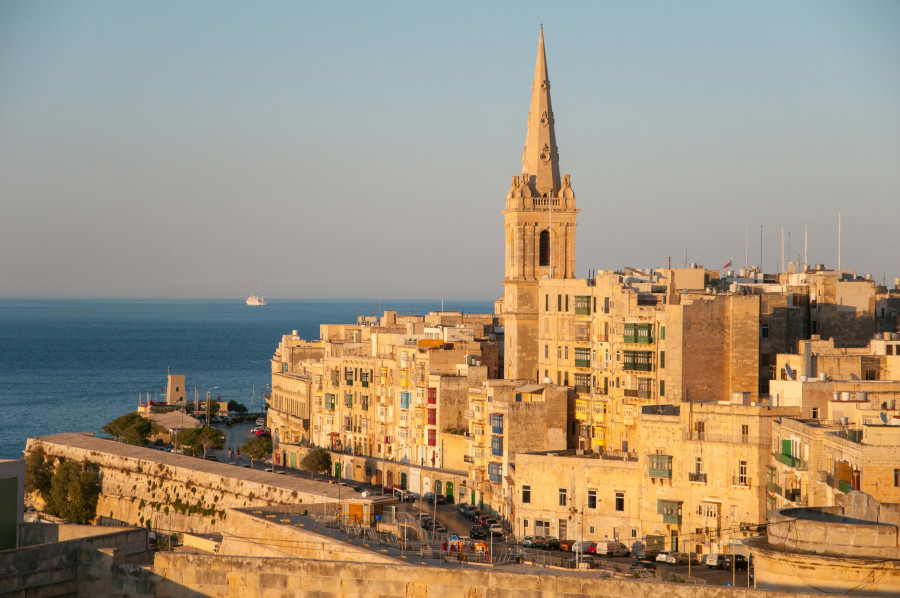
Malta’s enduring appeal lies in a combination of factors that continue to attract both local and international buyers. The country offers a Mediterranean lifestyle with over three hundred days of sunshine per year, a stable EU jurisdiction, English as an official language, and a property market that has historically demonstrated resilience. Its size makes it navigable and convenient, while its connectivity to Europe and North Africa supports both leisure and business use.
Why a Second Property in Malta
For many, purchasing a first property meets an immediate need, whether as a primary residence, relocation base, or initial investment. A second property, however, is usually a more deliberate decision. In Malta, a second home can serve as a holiday residence for weekends or extended stays, a strategic investment generating rental income, or a vehicle for long-term capital growth. Local buyers often use a second property to upgrade, moving to a larger or better-located home to enhance lifestyle and value. Foreign buyers frequently view a second property as both a lifestyle choice and an opportunity - a seasonal retreat, a rental asset, or a foothold in the European Union for future relocation or long-term residency.
Buying a second property in Malta can be legally straightforward and financially sound when approached with clarity and preparation. It is not identical to purchasing a first home. Eligibility rules, permit requirements, tax treatment, and strategic considerations vary depending on residency, nationality, intended use, and timing. This article provides a comprehensive, practical overview of buying a second property in Malta, including legal eligibility, the purchase process, associated costs, incentives, and key factors for informed decision making.
Is Buying a Second Property in Malta Legally Straightforward?
Eligibility and permits are the first considerations when buying a second property in Malta. The legal framework distinguishes between Maltese citizens, EU nationals, residents, and non-residents, and also differentiates between properties in standard residential areas and those in Special Designated Areas.
Who Needs an AIP Permit to Buy a Second Property in Malta?
In Malta, the acquisition of immovable property by foreigners and non-residents is regulated under the Acquisition of Immovable Property (AIP) legislation. Whether a permit is required depends on nationality, residency status, and the property’s location.
Non-residents and foreign buyers who do not qualify as long-term residents typically require an AIP permit when purchasing property outside Special Designated Areas. Approval is generally granted for one residential property and requires submission of an application detailing the buyer, the property, and the intended use.
EU citizens who have lived in Malta continuously for five years or more face fewer restrictions. Long-term EU residents can often acquire property without an AIP permit, including second properties, although specific conditions may apply depending on individual circumstances.
Special Designated Areas for Foreign Buyers in Malta
Special Designated Areas (SDAs) are residential developments in which foreign ownership is more flexible. Non-residents can generally acquire properties in these zones without an AIP permit, and there is typically no limit on the number of properties a foreign buyer may purchase. SDAs often include high-end developments with extensive amenities and are popular among international buyers seeking a holiday home or long-term investment with fewer regulatory restrictions.
Who Can Benefit from Buying a Second Property in Malta?
A second property in Malta can serve different purposes depending on the buyer’s objectives and circumstances. Whether the goal is lifestyle enhancement, a holiday retreat, or investment potential, certain categories of buyers are most likely to find a second-home purchase practical. These include;
- Local buyers
Local residents often acquire a second property to upgrade, obtain a holiday home, or invest for long-term capital growth. Many use a trade up strategy, selling an existing residence to acquire a larger or better-located property, sometimes taking advantage of duty refund schemes. - Expats and Foreign Buyers
Foreign residents and expats may seek a second property as a base for extended stays, retirement planning, or rental investment. For these buyers, permit requirements and mortgage eligibility should be considered early to ensure a smooth process. - Investors
Some buyers acquire a second property primarily for rental income or capital appreciation. In such cases, location, rental demand, tax treatment, and exit strategy are key considerations. While Malta does not impose annual property taxes, acquisition costs and ongoing compliance obligations should be factored into investment planning.
Understanding these legal distinctions early is essential. Non-residents should ensure that any required AIP permit applications are submitted before the final sale, and that eligibility criteria, including residency status and property location, are fully confirmed to prevent delays or legal complications.
The Property Buying Process in Malta – What Happens Step by Step
The process of buying a second property in Malta follows the same legal structure as a first purchase. However, lenders, authorities, and advisors may apply additional scrutiny depending on the buyer profile, residency status, and intended use.
From Property Selection to Promise of Sale
Once a suitable property is identified and a price is agreed on, the parties enter into a Promise of Sale agreement, commonly referred to as a Konvenju in Malta. This is a legally binding preliminary contract that sets out the agreed price, conditions, and timeframes for completion.
At this stage, the buyer is generally required to pay;
- A Deposit
A deposit typically consists of 10% of the purchase price, to demonstrate commitment to the purchase. This amount is usually held in escrow by the notary or the seller’s agent. - Provisional Stamp Duty
This is 1% of the property value, payable to the Commissioner for Revenue. This payment is credited toward the total stamp duty due at the final deed.
Following the Promise of Sale, the buyers appointed notary conducts due diligence checks. This includes:
- Verifying that the Seller Has a Valid Title
Ownership of the property is confirmed by reviewing cadastral and Land Registry records to ensure the title is clear and unencumbered. Prior agreements, such as rights of first refusal, are also checked to avoid complications. - Ensuring the Property Is Free from Liens, Mortgages, or Other Encumbrances
A thorough review identifies any existing mortgages, liens, or charges that could limit the buyer’s rights. It also confirms that the property is not under seizure or involved in ongoing litigation. - Confirming Planning and Permit Compliance
Compliance with Malta’s planning regulations is verified, including permits for extensions, renovations, or other alterations. For properties in Special Designated Areas or regulated zones, restrictions for non-resident buyers are checked. - Checking Registration and Certification in the Land Registry
Property registration is confirmed, and certificates of no encumbrance and planning compliance are obtained. Any discrepancies or issues are resolved at this stage, ensuring the buyer receives a fully transferable and legally recognized title. - Contractual Review and Risk Assessment
The Promise of Sale agreement is carefully reviewed to ensure it complies with Maltese law and protects both parties. Potential risks are highlighted, and clauses are recommended for contingencies, such as mortgage approval, permits, or inspections. - Administrative Duties
All administrative obligations are managed, including coordinating the 1% preliminary stamp duty and preparing notarial documents. Registration procedures at the final deed stage are handled, and if a mortgage is involved, the bank is liaised with to ensure all requirements are met.
These steps are particularly important for foreign buyers or investors, as compliance with local laws and clear ownership is critical before committing the full purchase price.
Final Deed of Sale and Transfer
Once all conditions are satisfied, financing is arranged if applicable, and due diligence is complete, the parties proceed to the final deed of sale. This is the formal transfer of ownership, signed in the presence of the notary.
At this stage, the buyer pays the balance of the purchase price, the remaining stamp duty, notary fees, and any applicable registration costs. Ownership is then registered, and the buyer becomes the legal owner of the property.
Mortgage and Financing Considerations
Financing a second property may involve stricter criteria than a first home. Maltese banks assess income stability, existing financial commitments, residency status, and the purpose of the purchase and additional documentation is often required for foreign buyers.
Interest rates for foreign buyers in 2025 generally range between approximately 3.5% - 5.5% depending on the loan structure, risk profile, and market conditions. Loan to value ratios may be lower for second properties, requiring a higher upfront deposit.
Buyers relying on rental income to support repayments should ensure that affordability is assessed conservatively, accounting for potential periods without tenants.
Costs, Taxes, and Fees when Buying a Second Property in Malta – What to Budget For
Understanding the full cost of acquiring a second property is essential for realistic budgeting. While Malta’s tax regime is relatively straightforward, acquisition costs are significant and should be planned for carefully.
Stamp Duty and Purchase Taxes
The standard stamp duty rate in Malta is 5% of the property value and is payable by the buyer. The payment structure involves 1% paid at the Promise of Sale stage and the remaining 4% is paid at the final deed. For second time buyers, certain refund schemes may be available, subject to strict conditions.
Under the Second Time Buyers Scheme, buyers who sell their primary residence and acquire a replacement property within twelve months may be eligible for a refund of stamp duty on the first €86,000 of the new property’s value. This incentive can significantly reduce the effective duty payable should the buyer qualify for this scheme.
Other Costs to Consider
Notary fees typically range from approximately 1% - 3% of the purchase price, depending on the complexity of the transaction. Additional fixed costs may include land registry fees, property searches, and administrative charges.
If an Acquisition of Immovable Property permit is required, an application fee is also payable. While this fee is relatively modest compared to stamp duty, delays in approval can affect transaction timelines.
Property Costs That Are Not Applicable in Malta
One of Malta’s distinguishing features is the absence of annual property tax or municipal tax on residential properties. There is also no value added tax on the purchase of residential property in standard cases.
Ongoing costs are therefore limited primarily to maintenance, utilities, insurance, and management fees if the property is rented or located in a managed development. This structure makes long-term holding costs relatively predictable.
Strategic Motives and Use Cases for a Second Property in Malta
A second property in Malta is typically acquired as part of a broader lifestyle or financial strategy. Buyers are often motivated by a desire for flexibility, income generation, or long-term value rather than immediate necessity. Whether intended for personal use, investment, or an upgrade in living standards, the purpose of the property acquisition plays a critical role in determining suitability, cost structure, and long-term value.
In practice, these objectives generally fall into a small number of common use cases, each with distinct considerations around location, financing, and long-term planning;
Holiday or Seasonal Use
Many buyers acquire a second property as a holiday or seasonal residence. Malta’s compact geography allows owners to enjoy coastal living, cultural amenities, and international connectivity without long travel times.
Location selection is critical. Properties close to the coast or within established residential hubs offer convenience and resale appeal, but may command higher prices. Buyers should balance lifestyle preferences with practicality, considering access to services, transport, and long-term maintenance.
For those planning retirement or extended stays in the future, a second property can provide continuity and a sense of permanence that short term rentals cannot offer.
Investment and Buy to Let
Investment focused buyers often target apartments in areas with strong rental demand, such as expat hubs, business districts, or tourist zones. Rental income potential varies significantly based on location, property size, finishes, and market conditions.
Rental income in Malta is subject to taxation. For residential property, there may be an option to apply a flat 15% tax on gross rental income, depending on the circumstances however, professional advice is recommended to determine the most appropriate tax treatment.
Yield potential must be assessed realistically. Higher yields may be achievable in certain areas, but periods without tenants, maintenance costs, and regulatory compliance can affect net returns. Investors should also consider how tourism trends, economic cycles, and regulatory changes could influence demand.
Upgrading or Replacing an Existing Home – “Trade Up” Strategy
A common scenario involves buyers upgrading from an existing residence to a larger or better located property. In such cases, the second purchase often becomes the new primary residence, with the original property sold or retained as an investment.
The Second Time Buyers Scheme can make this strategy more financially attractive, provided the sale and purchase occur within the required timeframe outlined by the scheme. Careful planning is essential to ensure eligibility and to avoid cash flow strain during the transition.
Pros and Cons - What to Weigh Up Before Committing to Buying a Second Property in Malta
Although the motivations for purchasing a second property are often well defined, the decision itself involves practical trade-offs. A second property in Malta can offer flexibility, long-term value, and, in some cases, income potential. At the same time, acquisition costs, regulatory requirements, and timing considerations can materially influence the outcome.
Assessing these factors in context helps clarify whether a second purchase supports broader financial or lifestyle objectives.
Advantages
- Malta offers a stable and transparent acquisition framework, with a one-time stamp duty and no annual property taxes.
- A second property provides flexibility. It can function as a holiday base, rental asset, or upgraded residence, adapting to changing life stages or financial priorities.
- Incentive schemes for second time buyers and certain property categories can reduce acquisition costs when used correctly, enhancing overall value.
Risks
- Upfront costs are substantial. Stamp duty, notary fees, and related expenses can amount to approximately 6% - 8% of the purchase price, requiring significant liquidity.
- Rental focused buyers face income variability. Periods without tenants, maintenance obligations, and market fluctuations can affect returns.
- Foreign buyers must navigate permit requirements and additional due diligence, particularly when purchasing outside of Special Designated Areas.
- Timing is critical for those relying on duty refund schemes and failure to meet sale and acquisition deadlines can result in lost incentives.
How to Choose the Right Second Property – Key Criteria and Tips
With multiple options and complex regulations, selecting a second property in Malta balances lifestyle goals, investment potential, and practical considerations. Focusing on key criteria such as purpose, location, budget, and future flexibility simplifies the process and reduces the risk of costly mistakes.
- Purpose of the Property
Defining the purpose of the purchase is the starting point. A holiday home, rental investment, upgrade, or future residence each implies different priorities in terms of property type, size, and features. - Location of the Property
Location remains one of the most influential factors. Proximity to the coast, public transport, amenities, and employment hubs affects both lifestyle value and rental demand. Buyers seeking tranquillity may prioritise less dense areas, while investors often focus on established demand centres. - Realistic Property Budget
Budgeting should extend beyond the purchase price. Taxes, fees, potential renovations, maintenance, and financing costs must all be factored in to avoid overextension. - Legal Status of the Property
Legal status must be verified. Buyers should ensure that the property has clear title, no outstanding liens, and is eligible for purchase under their residency and nationality status. Permit requirements should be confirmed early. - Future Flexibility of the Property
Future flexibility is often overlooked. Buyers should consider how easily the property could be rented, resold, or repurposed if circumstances change. Monitoring market trends and regulatory developments supports informed long-term decisions. - Consult Property Professionals
Professional advice is essential. Experienced estate agents such as Malta Sotheby’s International Realty and notaries familiar with second home and non-resident transactions can identify risks and opportunities that may not be immediately apparent. - Leverage Incentives if Applicable
Where applicable, incentives should be leveraged strategically. Planning the timing of sale and purchase can unlock duty refunds or other benefits that materially improve the financial outcome.
Buying a second property in Malta can be a sound strategic decision when approached with clarity and discipline. The market offers stability, a favourable tax structure, and diverse use cases, but it also requires careful navigation of legal requirements, costs, and timing considerations.
Whether the objective is lifestyle enhancement, investment diversification, or upgrading an existing residence, success depends on aligning the purchase with clearly defined goals and realistic financial planning. For buyers ready to explore second property opportunities in Malta, expert guidance is essential.
Malta Sotheby’s International Realty offers unparalleled knowledge of the local market, legal requirements, and strategic investment opportunities. Contact Malta Sotheby’s International Realty on +356 2010 8077, visit www.maltasothebysrealty.com, or stop by our offices at the Portomaso Marina or the Tigné Point Pjazza.


More News in Malta